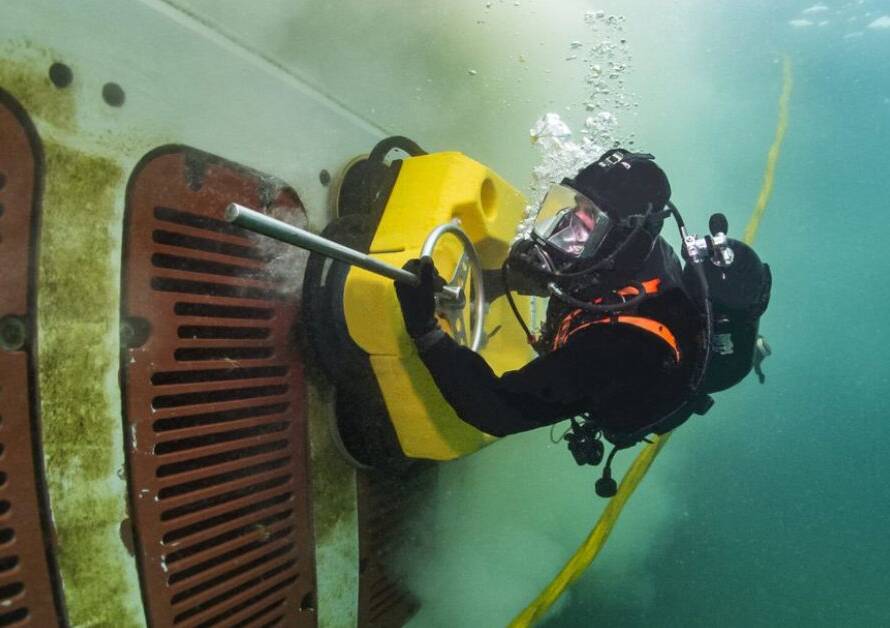
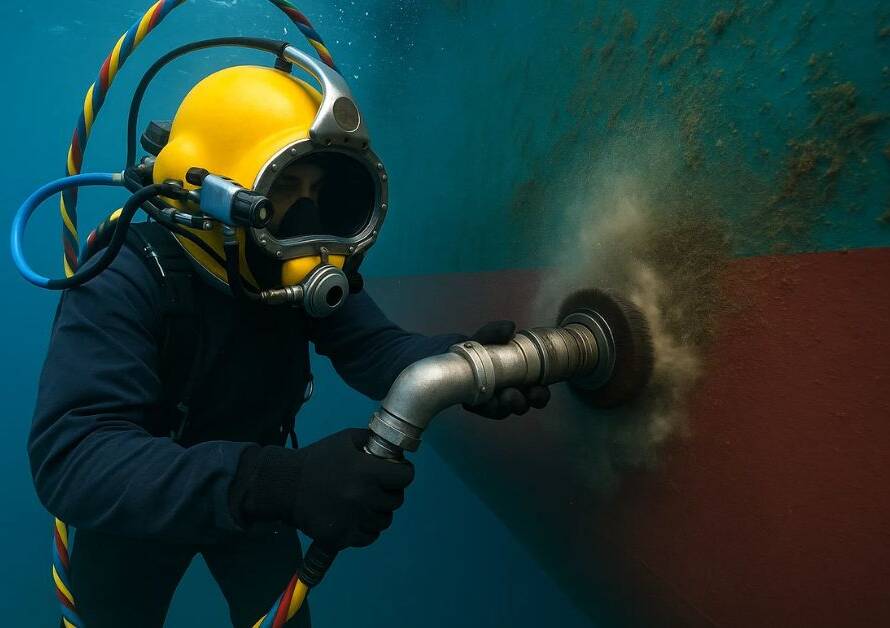
The tides are turning—automated hull-cleaning robots are revolutionizing marine maintenance in the UAE as ports in Dubai and Abu Dhabi experience surging vessel traffic. With global market momentum and increasing demand, hull cleaning in UAE is evolving from a traditional dive-driven operation into a high-tech, sustainable service.
Global Market Momentum Fuels UAE Adoption
According to a recent report by For Insights Consultancy, the global automatic hull-cleaning robot market is projected to grow from USD 164.6 million in 2025 to USD 326.7 million by 2034—an impressive compound annual growth rate (CAGR) of 8.6%. Meanwhile, Business Research Insights forecasts an even faster ascent in hull-cleaning robots, from USD 60 million in 2024 to USD 1.32 billion by 2033, driven by a high CAGR of 42%.
These figures paint a clear picture: this isn’t a niche trend—it’s a global wave of disruption—and the UAE is set to ride it.
Why UAE Ports Are Pivoting to Automated Hull Cleaning
1. Fuel Efficiency & Environmental Compliance
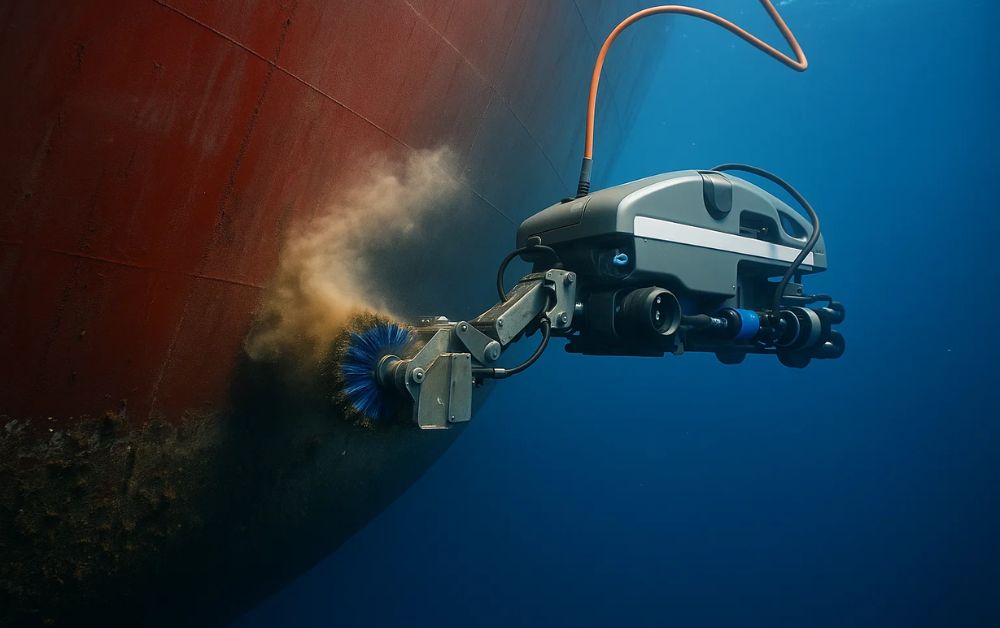
Hull fouling causes increased drag, higher fuel consumption, and elevated CO₂ emissions. Automated cleaning bots remove barnacles, algae, and biofilm without harsh chemicals—helping vessels stay compliant with international maritime regulations and lowering operational costs.
2. Faster Turnarounds, Lower Downtime
Robotic hull cleaners operate in situ, eliminating the need for dry-docking and allowing ships to re-enter service more quickly. This is especially valuable in UAE ports like Dubai and Abu Dhabi, where berth time is precious.
3. Sustainability & Safety
Adopting automation reduces diver risk and environmental impact. Bots that use brushes, water jets, or suction systems offer safer, eco-friendly alternatives to manual cleaning or abrasive techniques.
Regional Growth: UAE’s Clean Tech Momentum
Although specific UAE-focused data on hull-cleaning robots is sparse, broader UAE stats highlight a technology-friendly environment. The UAE cleaning-robot market (covering domestic, pool, and floor bots) stood at USD 64 million in 2024 and is forecast to hit USD 223 million by 2030 (CAGR 23.6%). This illustrates a national appetite for automation, which is poised to extend into maritime sectors.
As multipurpose cleaning-bot companies introduce more specialized marine solutions, Dubai and Abu Dhabi could rapidly become regional hubs for hull cleaning, leveraging existing robotics infrastructure and regulatory openness.
Industry Drivers & Trends
1. Technological Breakthroughs
Robots now feature AI navigation, real-time diagnostics, modular cleaning heads, and data analytics. They can autonomously map hulls, adapt to fouling levels, and alert operators to maintenance issues.
2. Regulatory Pressure
Heightened environmental awareness and IMO regulations against invasive species push shipowners toward sustainable hull-cleaning methods like robotic cleaning that avoids chemical pollution.
3. Commercial & Naval Demand
While commercial fleets dominate usage, growing interest from naval and recreational operators reflects broader confidence in robotic hull cleaning’s effectiveness .
4. Local Port Strategies
Dubai’s DP World and other regional port operators are exploring low-emission and cost-efficient vessel services. Introducing robotic hull cleaning aligns with those green port initiatives.
What It Means for Hull Cleaning Providers
- Equipment Integration: Marine service companies must partner with global bot developers like Hull Wiper, Tas Global, or ECO subsea to offer local deployment.
- Skilled Workforce: Technicians need training to operate AI systems, handle diagnostics, and perform remote maintenance.
- Sustainability Branding: Providers offering eco-friendly hull cleaning can differentiate themselves as sustainable alternatives.
- Dynamic Pricing: Urgency and environmental demand will shape price models, with value tied to speed, efficiency, and reporting capabilities.
The Outlook: A Sea Change Ahead
With a projected global market growth to USD 326.7 million by 2034 and CAGR of 8.6%, and even faster adoption rates per Business Research Insights (42% CAGR to 2033), the stage is set for UAE’s maritime industry to embrace automated hull cleaning fully.
By 2030, these systems could become standard for large vessel maintenance in UAE waters—cutting costs, boosting efficiency, and affirming the region’s role as a maritime innovation hub.
Final Take: Are You Ready for the Automation Wave?
For port authorities, shipping lines, marine engineers, and logistics players, hull cleaning in UAE is no longer optional—it’s an emerging industry standard. Firms that adopt robotics early will gain cost advantages, shorter turnarounds, and eco-credentials.

In Conclusion:
As the UAE steers toward cleaner, smarter shipping, forward-thinking operators are choosing automation to stay ahead. For expert implementation and reliable maritime support, partner with Prominence Shipping Services L.L.C.—your trusted ally for cutting-edge hull-cleaning solutions in UAE waters.