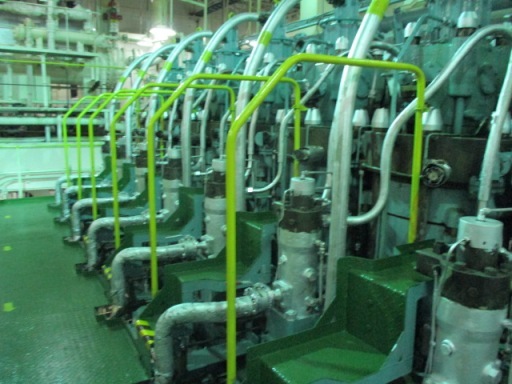
Fuel is one of the most significant operational costs for shipping companies, often accounting for up to 60–70% of a vessel’s total operating expenses. As global shipping strives to become more efficient and environmentally responsible, one often-overlooked practice has proven to have a major impact—hull cleaning.
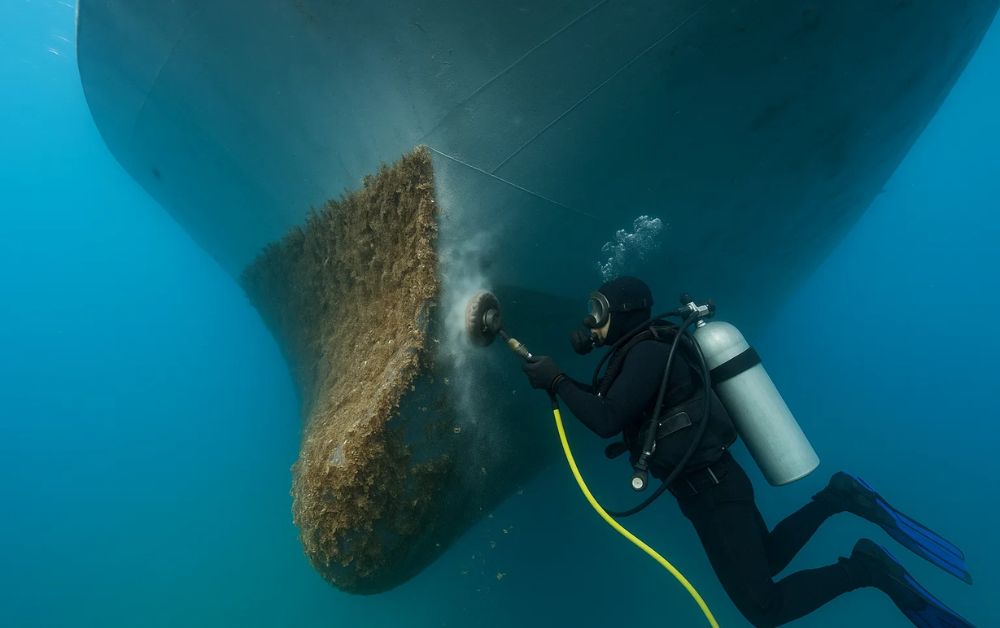
The underwater hull of a ship is continually exposed to marine environments, causing biofouling, a process where microorganisms, algae, barnacles, and other sea life attach to the ship’s surface. Over time, this buildup increases drag and significantly affects the ship’s performance and fuel consumption. In regions with heavy marine traffic like the UAE, maintaining a clean hull is critical. This article explores how hull cleaning in UAE plays a key part in reducing fuel costs and enhancing vessel efficiency.
Understanding Hull Fouling and Its Effects
Hull fouling is a natural occurrence that begins the moment a vessel enters the water. Within days, microorganisms begin to colonize the hull, followed by algae, barnacles, and other marine life.
As biofouling increases:
- The surface roughness of the hull increases
- Water resistance or drag is significantly heightened
- The engine has to work harder, leading to greater fuel consumption
- There is a loss of speed and reduced maneuverability
In extreme cases, heavy fouling can result in 20–30% more fuel consumption, severely impacting voyage economics and emissions.
How Hull Cleaning Reduces Fuel Costs
1. Reduces Hydrodynamic Drag
A clean hull ensures the vessel glides smoothly through the water. Marine growth adds friction, which forces engines to burn more fuel to maintain speed.
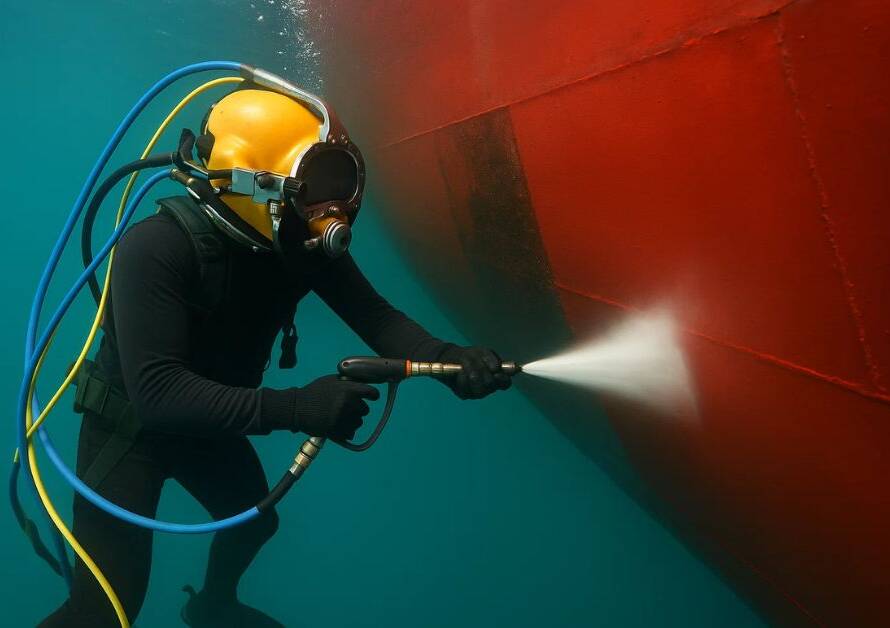
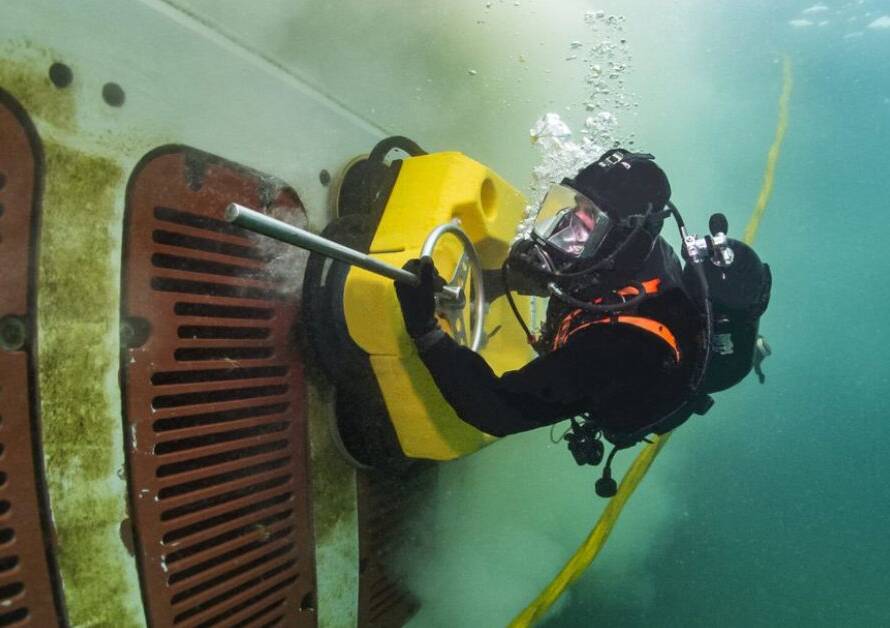
Hull cleaning removes this layer of fouling, significantly reducing drag & allowing the ship to move efficiently at lower fuel expenditure. According to maritime studies, regular hull cleaning can reduce fuel usage by up to 10%–15%, depending on the level of fouling.
2. Restores Optimal Engine Efficiency
When the hull is dirty, engines and propellers are overburdened. This leads to increased wear and tear, more frequent maintenance, and poor combustion efficiency. By cleaning the hull, the engine can function under standard loads, restoring its optimal performance and extending its lifespan.
3. Improves Propeller Performance
Hull cleaning often goes hand-in-hand with propeller polishing. A clean propeller reduces cavitation and vibrations, improving thrust efficiency. This synergy between a clean hull and a polished propeller results in better propulsion, directly reducing fuel consumption per nautical mile.
4. Extends the Effectiveness of Anti-Fouling Coatings
Many vessels use anti-fouling paints to prevent marine growth, but their effectiveness diminishes over time. Hull cleaning removes existing fouling and enhances the longevity and performance of these coatings, delaying the need for costly reapplications or dry dockings.
5. Reduces Carbon Emissions and Environmental Fines
Fuel savings are not just financial—they are environmental. Burning less fuel reduces CO₂ and SOx emissions, helping ship operators comply with international environmental standards like IMO 2020. Moreover, vessels with high emissions may face penalties or limited access to eco-sensitive ports. Hull cleaning, therefore, contributes to both cost savings and regulatory compliance.
Why Hull Cleaning Is Especially Beneficial
The UAE, with ports like Jebel Ali, Fujairah, and Port Rashid, is a hub for maritime trade, where vessels are constantly arriving, refueling, and transferring cargo. In such warm, nutrient-rich waters, marine growth develops quickly. Hence, hull cleaning is more than a maintenance task—it’s a necessity.
Dry docking and in-water hull cleaning services in the UAE are equipped with:
- Certified diver teams and underwater cleaning tools
- Robotic hull cleaning technology
- Eco-friendly procedures that prevent marine pollution
- Coordination with port authorities for safe and legal operations
Additionally, the strategic location of UAE ports allows ships to get cleaned during short port stays, minimizing downtime and ensuring fuel savings start immediately.
When Should You Schedule Hull Cleaning?
Several signs indicate the need for hull cleaning:
- Noticeable drop in speed at normal RPM
- Increase in fuel consumption without added load
- Excessive vibration from the propeller
- Time elapsed since last cleaning or dry docking
- Inspection reports indicating moderate to heavy fouling
Proactively scheduling hull cleaning based on voyage patterns and regional marine growth forecasts helps prevent operational inefficiencies and rising fuel bills.
In Conclusion
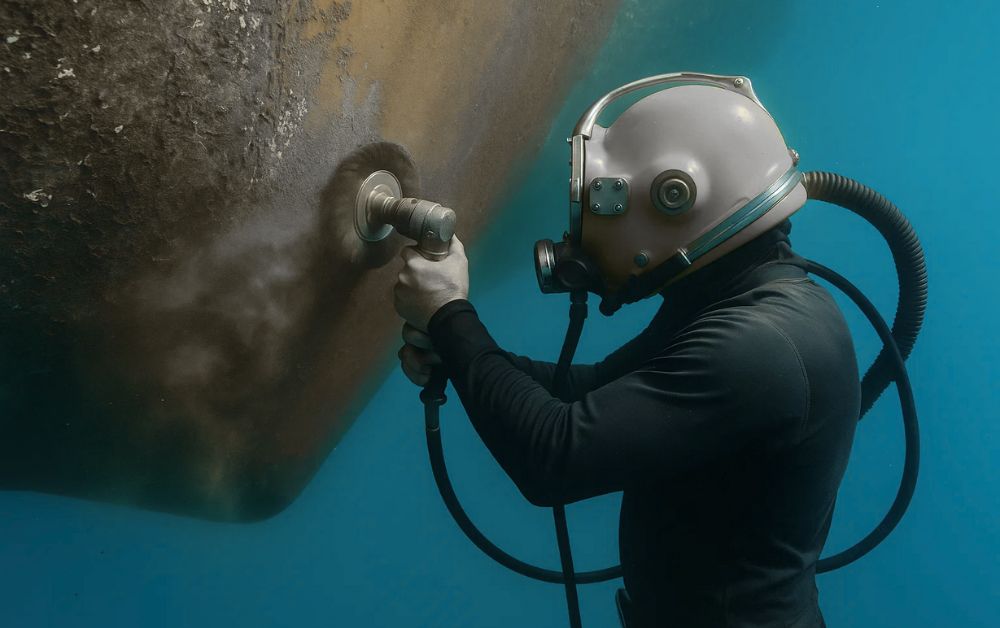
Hull cleaning is one of the simplest yet most effective ways to control fuel costs, improve ship performance, and meet environmental standards. In high-traffic maritime regions like the UAE, where marine fouling is accelerated, regular hull maintenance ensures smoother voyages and greater savings. By reducing drag, optimizing propulsion, and maintaining engine performance, hull cleaning delivers long-term operational and financial benefits.
For professional and eco-friendly hull cleaning in UAE, Prominence Shipping Services L.L.C. provides reliable underwater and dry docking support tailored to enhance fuel efficiency and vessel safety.