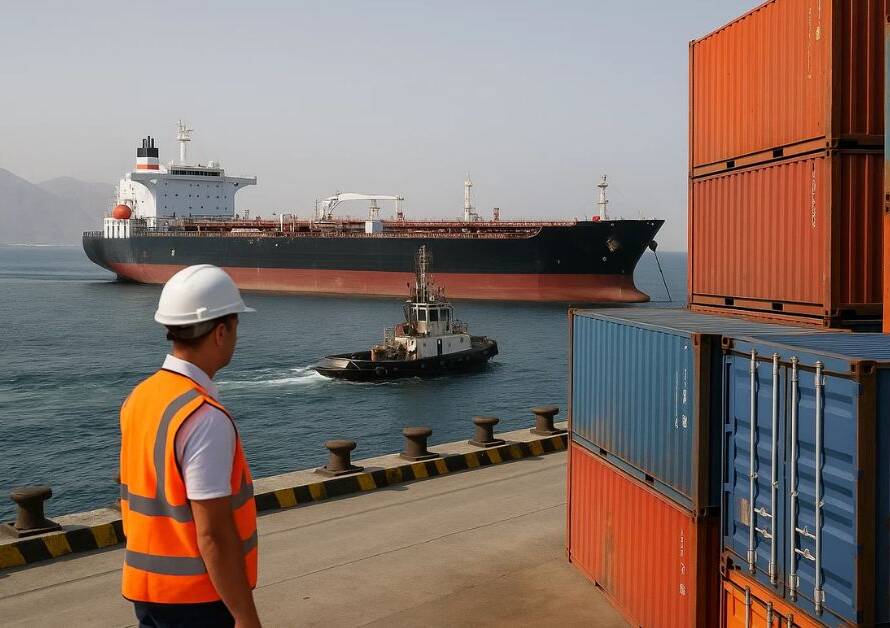
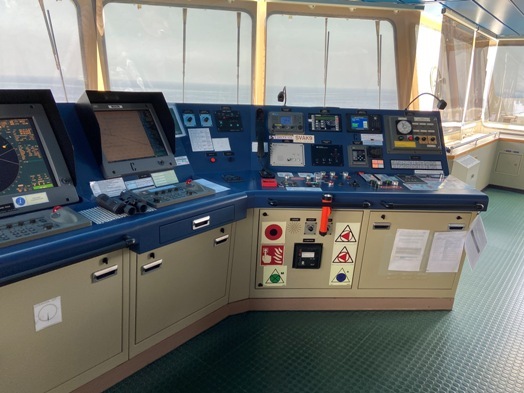
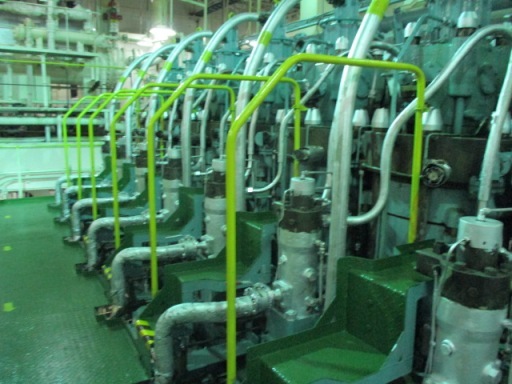
The maritime trade operates on a global scale, with ships crossing international waters and docking at ports around the world. This complex network of operations must adhere to a wide range of international regulations designed to ensure safety, environmental protection, and smooth trade. Compliance is not optional—it is essential. Shipping agency services play a critical role in helping vessel owners, operators, and charterers meet these regulatory requirements. In key maritime hubs like Fujairah, shipping agents are especially vital in ensuring that vessels operate within the bounds of international law.
In this blog, we will discover how shipping agency services FUJAIRAH ensure compliance with international shipping regulations, with an emphasis on the procedures, responsibilities, and local expertise that help maintain global standards.
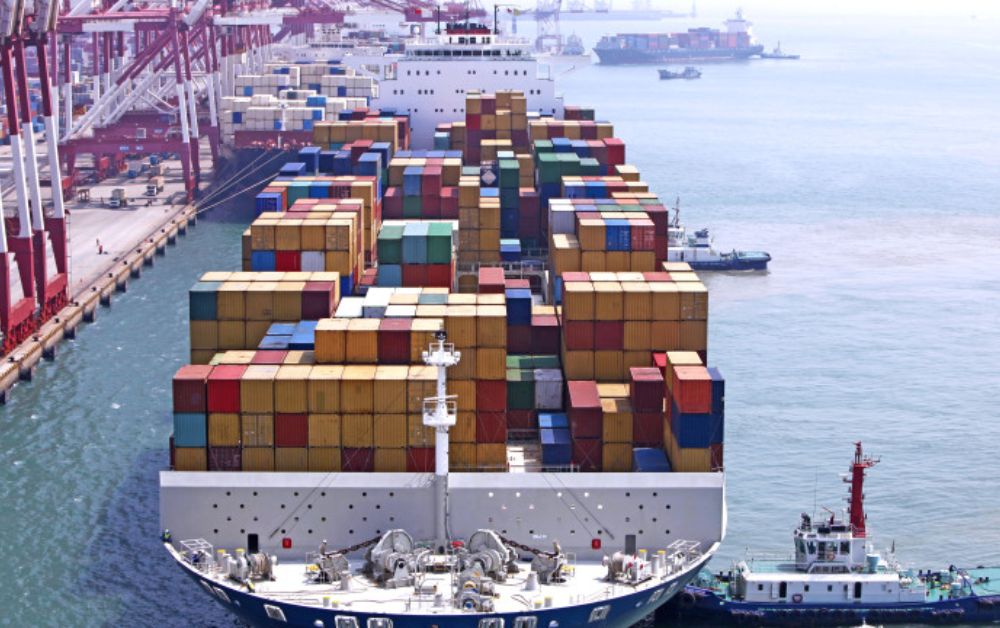
Understanding International Shipping Regulations
Before diving into the role of shipping agencies, it’s important to understand what types of international regulations govern maritime operations. These include:
- SOLAS (Safety of Life at Sea) – Ensures the safety of ships and crew.
- MARPOL (Marine Pollution Convention) – Aims to prevent marine pollution by ships.
- ISPS Code (International Ship and Port Facility Security Code) – Enhances maritime security.
- STCW (Standards of Training, Certification, and Watchkeeping) – Sets qualification standards for crew.
- Customs and Immigration Laws – Vary by country and port, but require strict adherence.
Compliance with these frameworks is mandatory, and shipping agency services are central to achieving that compliance seamlessly.
What Are Shipping Agency Services?
Shipping agency services act as the local representatives of shipowners or charterers. Their responsibilities include coordinating port activities, handling documentation, arranging for supplies and repairs, managing crew changes, and ensuring vessels meet all legal and regulatory requirements before, during, and after port calls.
How Shipping Agencies Ensure Compliance
1.Documentation and Regulatory Filing
Shipping agencies are responsible for preparing and submitting all necessary documentation for vessel clearance at ports. This includes:
- Port entry and exit permits
- Customs declarations
- Immigration paperwork for crew
- Cargo manifests
- Certificates of vessel compliance
Incorrect or delayed filing can lead to fines, detention of vessels, or refusal of entry. Agencies ensure that all documents are accurate and submitted in a timely manner to avoid such complications.
2.Coordination with Port Authorities
Shipping agency services in Fujairah work closely with port and harbor authorities to ensure all port operations meet local and international standards. They:
- Verify that vessels comply with port security protocols (ISPS)
- Facilitate inspections from maritime authorities
- Schedule pilotage, berthing, and tug services
- Monitor cargo loading and unloading for compliance
Their local knowledge ensures that vessels follow specific requirements for each port, particularly in highly regulated areas like Fujairah.
3.Environmental Compliance
Environmental protection is a key focus of international maritime law, especially under the MARPOL convention. Agencies ensure:
- Proper waste disposal in line with regulations
- Availability of sludge, bilge water, and garbage removal services
- Fuel compliance (sulfur content monitoring and low-sulfur fuel supply)
- Ballast water management documentation and procedures
Non-compliance with environmental rules can result in hefty penalties. Agencies prevent such risks by organizing eco-friendly services and maintaining clear records.
4.Crew and Safety Compliance
Shipping agencies play an important role in ensuring that crew-related regulations are met. This includes:
- Validity checks of crew certifications under STCW
- Coordinating crew changes with immigration and health authorities
- Ensuring compliance with COVID-19 and other health protocols
- Managing medical emergencies and shore leave approvals
Proper crew management contributes directly to a vessel’s operational and legal standing.
5.Inspection and Survey Facilitation
Ships may be subject to various inspections including:
- Port State Control (PSC) inspections
- Flag State inspections
- Class surveys and safety audits
Shipping agencies coordinate these inspections, ensure necessary records and personnel are available, and address any immediate findings. Timely response to such inspections prevents delays and legal issues.
6.Ongoing Monitoring and Reporting
Modern shipping agencies use digital systems to track compliance requirements. They:
- Monitor deadlines for certification renewals
- Provide alerts for upcoming regulatory changes
- Submit real-time reports to stakeholders
- Maintain compliance logs and operational transparency
This proactive approach ensures continuous alignment with evolving international maritime laws.
Why Shipping Agency Services in Fujairah Matter
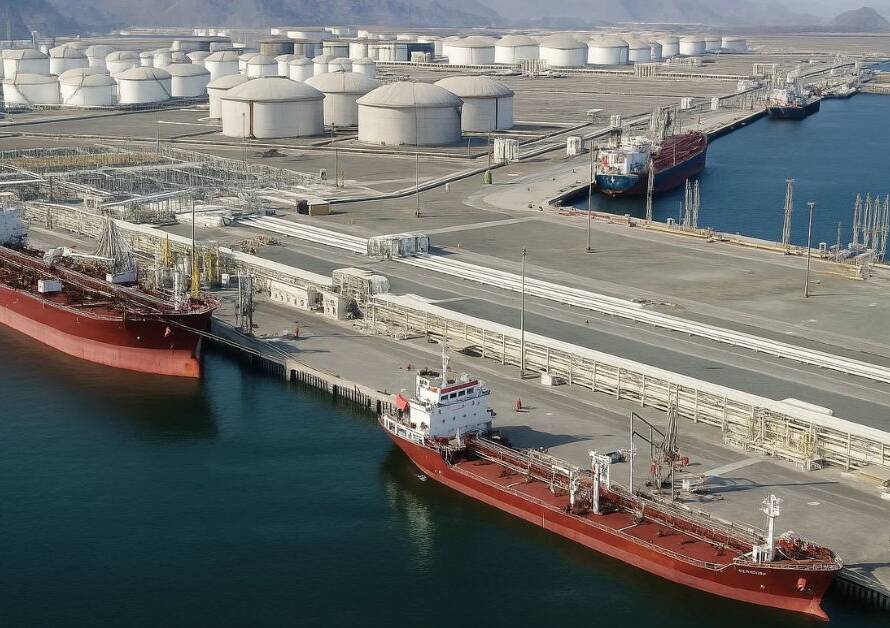
Fujairah is one of the most strategic ports in the UAE, offering a crucial location outside the Strait of Hormuz. It’s a preferred stop for bunkering, maintenance, and crew changes. Given the port’s importance, shipping agency services are under constant scrutiny to meet both local and international regulatory benchmarks.
Agencies in Fujairah not only offer localized knowledge but also support vessel owners in understanding regional nuances, making them indispensable in achieving regulatory compliance without delays.

In Conclusion
In today’s global maritime landscape, compliance with international shipping regulations is not just about ticking boxes—it’s about ensuring safe, sustainable, and efficient operations. Shipping agency services are the backbone of this compliance process, handling everything from documentation to inspections with precision and local expertise.
For reliable, regulation-compliant, and efficient shipping agency services FUJAIRAH, Prominence Shipping Services L.L.C. stands as a reliable partner dedicated to excellence in maritime operations.