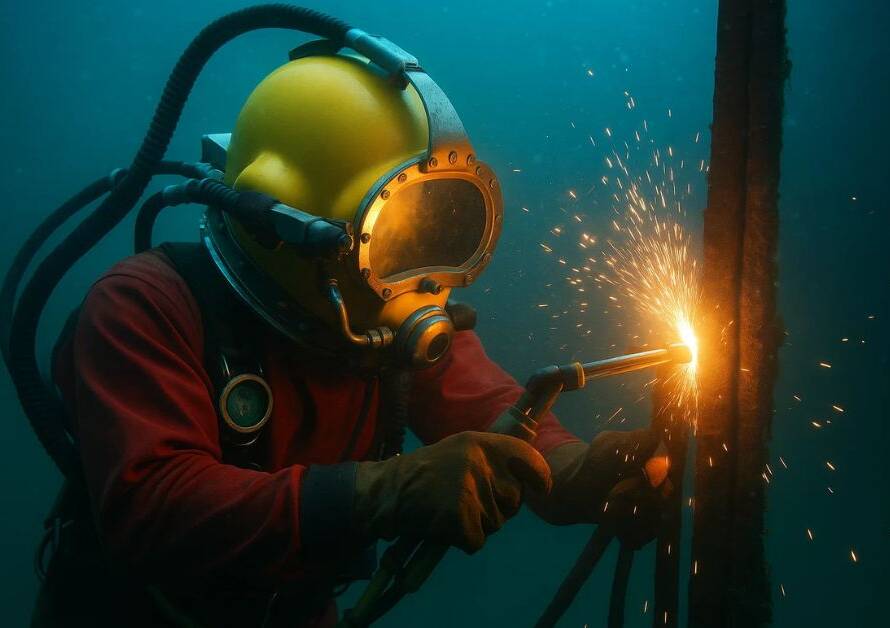
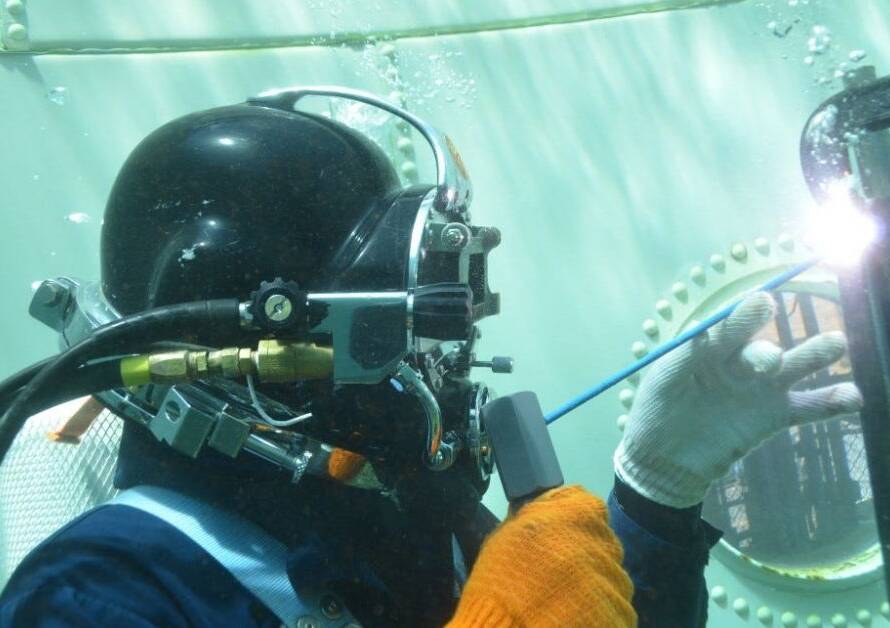
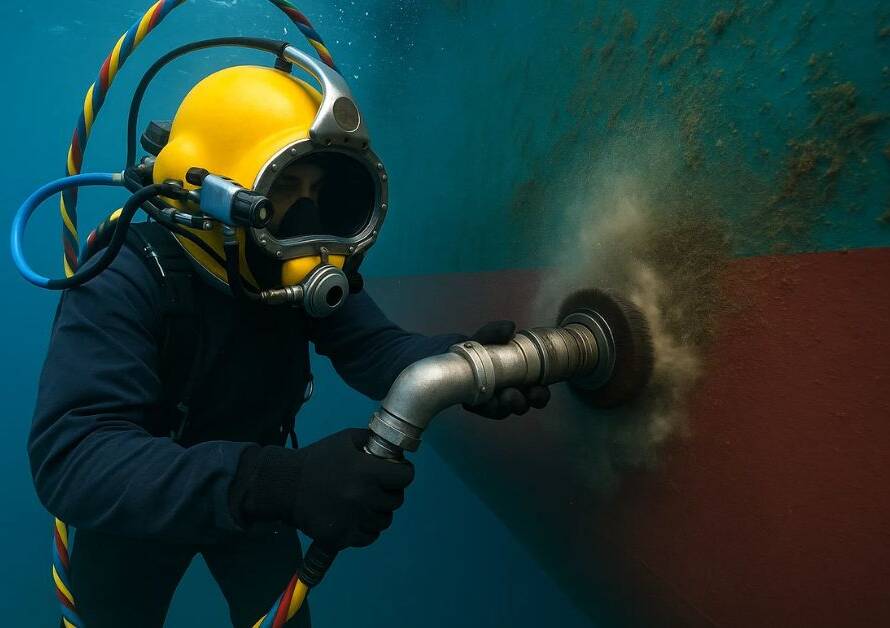
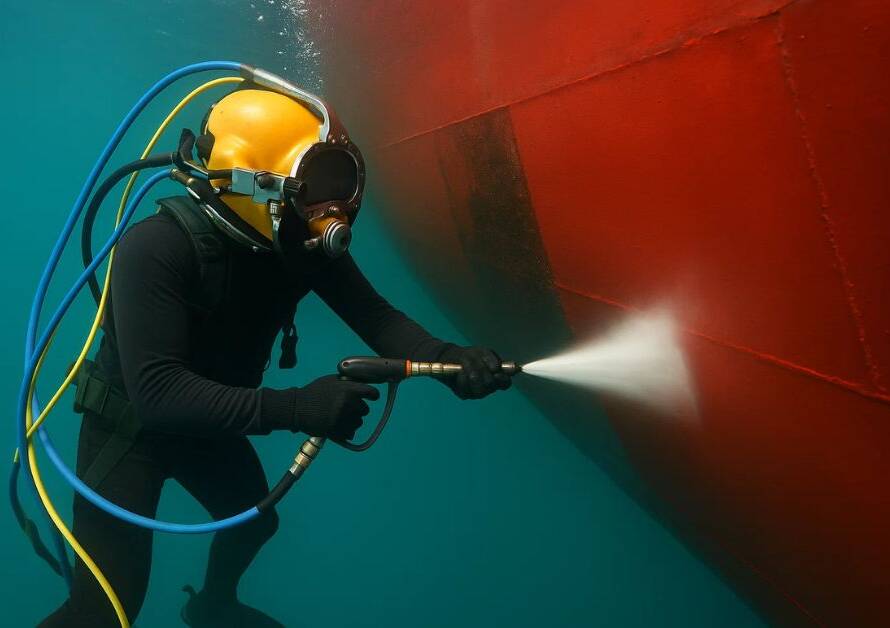
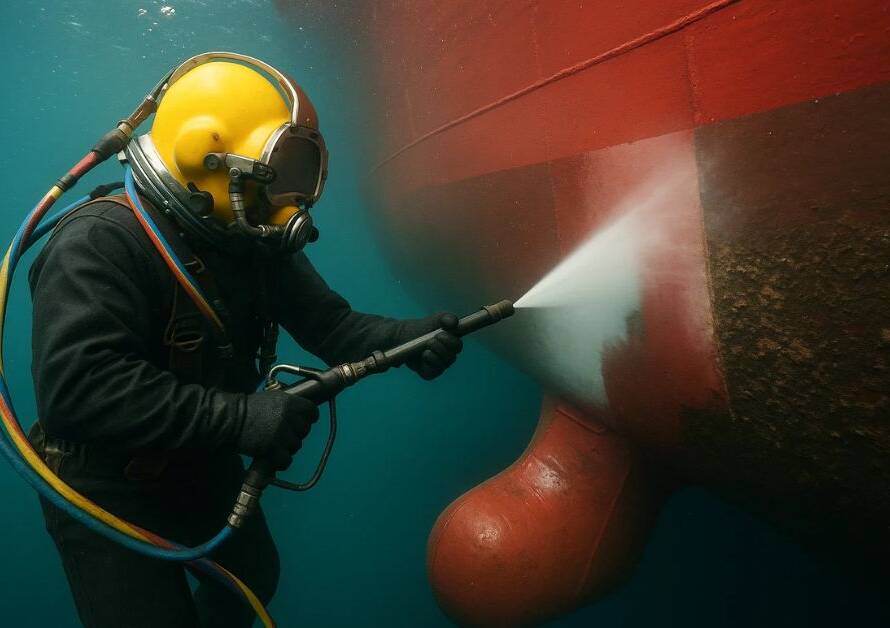
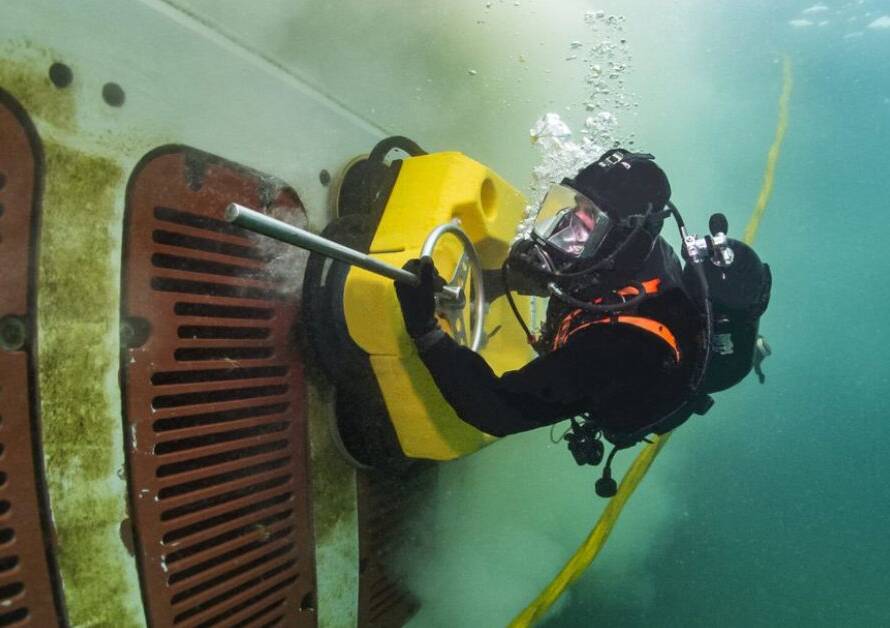
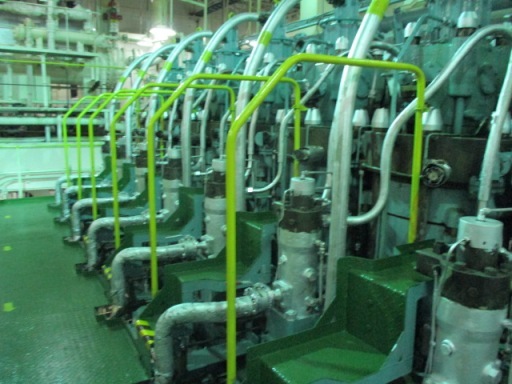
Ships—be it cargo vessels, tankers, or cruise liners—form the backbone of international trade and transport. These massive structures face constant exposure to seawater, high pressure, and mechanical stress, particularly below the waterline. To ensure their reliability, underwater cutting and welding services in UAE play a key part in performing essential maintenance and repairs without the need for dry-docking.
In maritime hubs like the UAE, where ship traffic is intense and downtime is costly, the demand for skilled underwater services is steadily growing. Here’s how underwater cutting and welding contribute to the safety, longevity, and operational efficiency of ships.
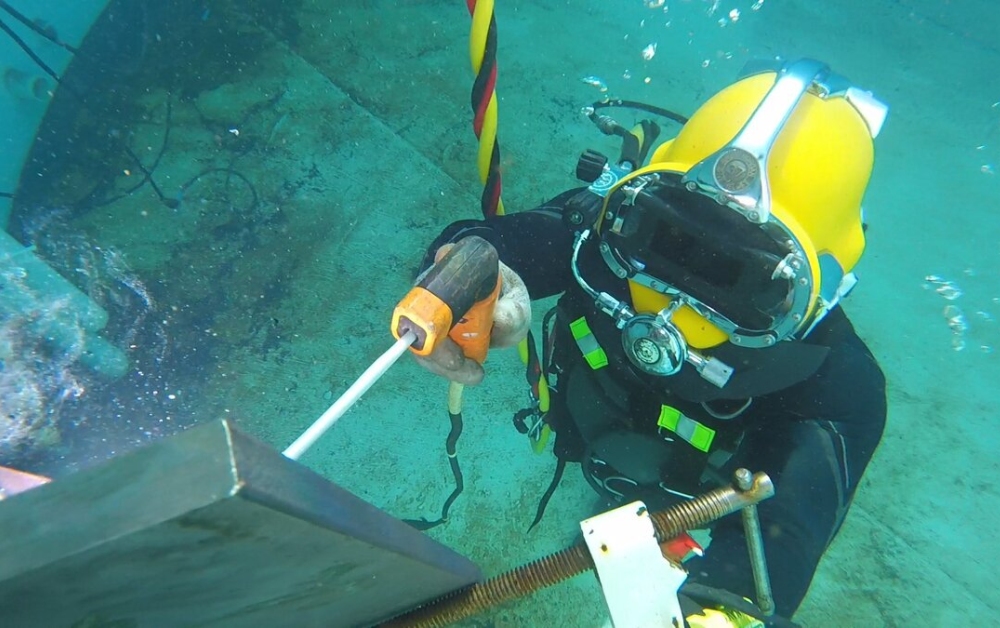
1.Preserves Hull Integrity and Prevents Structural Failures
The Challenge:
Prolonged exposure to saltwater and physical impact can lead to cracks, corrosion, and deformation in a ship’s hull and submerged components.
The Contribution:
Underwater welding techniques allow repairs to be conducted in situ, restoring the strength of the structure without the need to bring the vessel ashore. Regular inspections followed by timely underwater welds can prevent minor problems from escalating into critical failures.
2.Reduces Downtime and Avoids Dry-Docking
The Challenge:
Taking a vessel out of service for repairs—especially for minor underwater issues—can cause schedule disruptions and financial losses.
The Contribution:
Underwater cutting and welding allow maintenance to be done while the ship remains afloat, minimizing operational interruptions. Damaged or corroded components can be removed, replaced, or reinforced quickly and efficiently—keeping the vessel on schedule.
3.Enables Fast Emergency Repairs
The Challenge:
Groundings, collisions, or underwater damage can jeopardize vessel safety and crew welfare if not addressed promptly.
The Contribution:
These services are essential for emergency repairs. Divers equipped with cutting and welding gear can seal leaks, patch hulls, or remove hazards, providing immediate solutions to reduce risks and restore operational safety at sea.
4.Allows for Onboard Modifications and Upgrades
The Challenge:
Ships frequently require structural changes to comply with evolving regulations or adapt to new operational demands.
The Contribution:
Modifications—such as adjusting sea inlets, reinforcing stern structures, or upgrading thruster systems—can be executed underwater. This allows shipowners to perform necessary changes without waiting for a dry-docking window.
5.Supports Maintenance in Challenging Environments
The Challenge:
Many ship components, including propellers, rudders, and sea chests, are located in areas that are difficult to reach and unsafe to access without proper equipment.
The Contribution:
Certified diver-welders, often supported by remotely operated vehicles (ROVs), can work effectively in these challenging conditions. They ensure that vital areas of the vessel are inspected and repaired with precision, maintaining the ship’s seaworthiness.
6.Helps Prevent Marine Pollution
The Challenge:
Leaks from tankers or compromised cargo holds can lead to serious environmental hazards, especially in protected waters.
The Contribution:
Underwater welding helps prevent such incidents by enabling rapid sealing of leaks or breaches. Cutting services are also used in safe dismantling or controlled removal of faulty sections—protecting marine ecosystems from contamination.
7.Enhances Lifecycle and Operational Cost-Efficiency
The Challenge:
Full replacements or major dry-docking operations are expensive and time-consuming.
The Contribution:
Proactive underwater maintenance extends the lifespan of ships by addressing damage early and avoiding more serious failures. This approach reduces the total cost of ownership and supports more sustainable fleet management.
8.Enhances Inspection and Classification Compliance
The Challenge:
To remain certified and insurable, ships must undergo periodic inspections by classification societies. Damage or wear below the waterline can lead to non-compliance, detentions, or insurance issues.
The Contribution:
Underwater cutting and welding support these inspections by addressing issues identified during underwater surveys. Technicians can perform immediate repairs on hull plating, sea chests, or structural elements to meet class requirements—without needing to dry-dock. This helps ships maintain certification and stay in active service without unnecessary delays.
9.Supports Propeller and Rudder Repairs Without Dry-Docking
The Challenge:
Propellers and rudders are critical for navigation and maneuvering, but they’re highly susceptible to damage from debris, grounding, or wear. Repairing them often requires lifting the vessel out of the water—an expensive and time-consuming process.
The Contribution:
Underwater cutting and welding allow for effective in-water repairs or component replacement of propellers, rudder blades, and pintles. This helps restore full steering and propulsion functionality without the need for dry-docking, keeping vessels seaworthy and avoiding costly delays—especially important for commercial ships operating on tight schedules.
In Conclusion
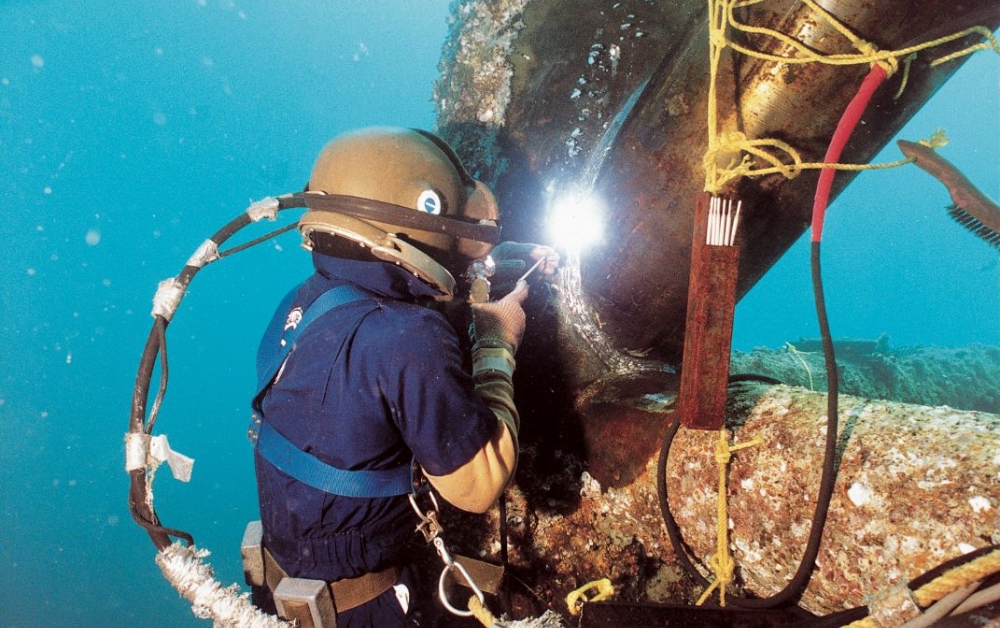
Underwater cutting and welding services are indispensable to the safety, performance, and longevity of ships. From emergency hull repairs to planned structural upgrades, these techniques enable shipowners to maintain vessel integrity with minimal disruption.
For reliable and expertly delivered underwater maintenance, trust Prominence Shipping Services LLC—your maritime partner dedicated to ensuring vessel safety, below the surface.