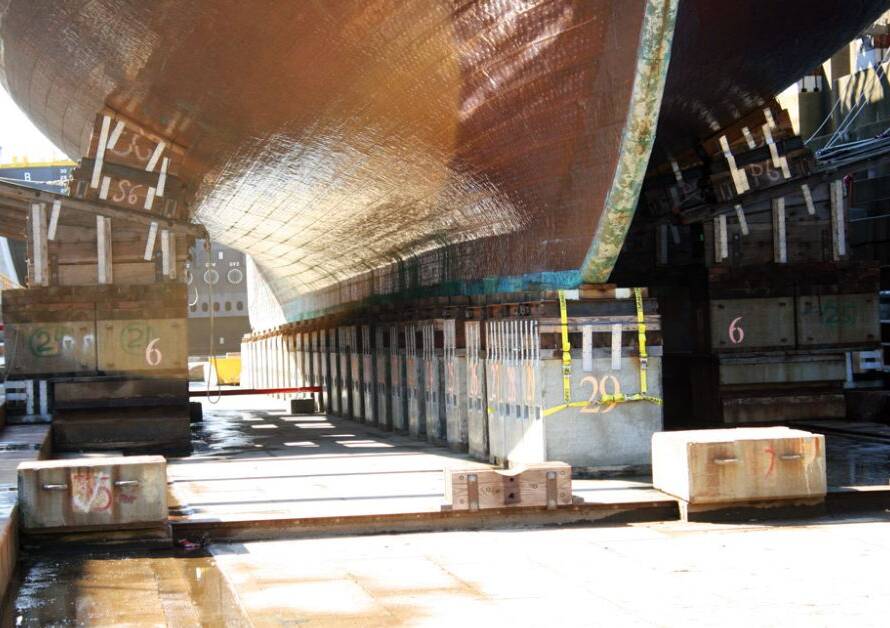
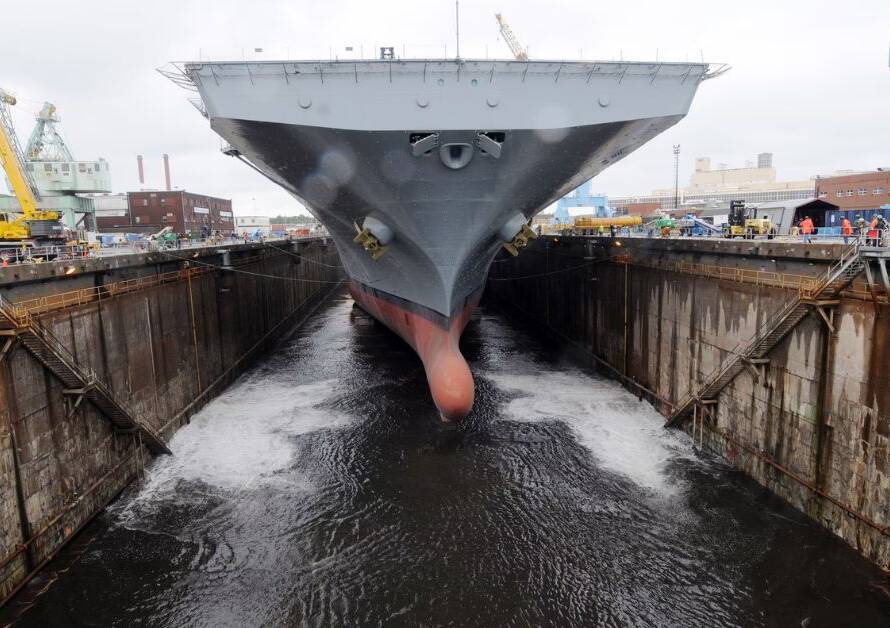
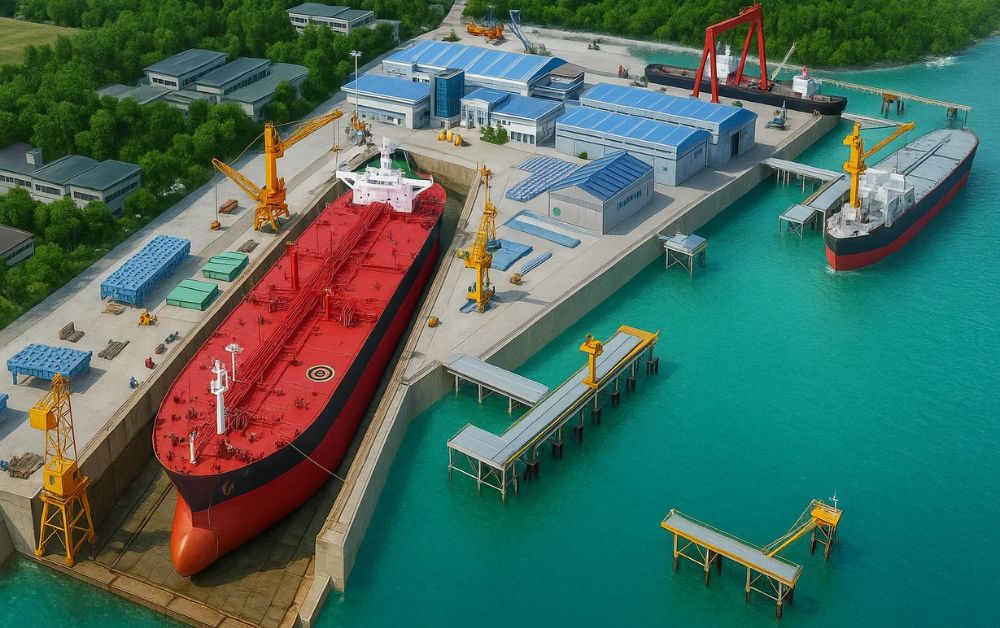
The maritime industry plays a vital part in global trade, with vessels transporting goods across the world’s oceans. Ensuring the safety & reliability of these vessels is paramount to protecting lives, cargo, and the environment. One of the most effective ways to maintain vessel safety is through proper dry docking procedures. Dry docking is a scheduled maintenance activity where a ship is taken out of the water for inspection, repair, and servicing. In busy ports, professional dry docking support in Dubai is essential to guarantee the highest standards of vessel safety.
This blog explores how dry docking support contributes to ensuring vessel safety and why it is a critical aspect of maritime operations.

1. Thorough Inspection and Maintenance
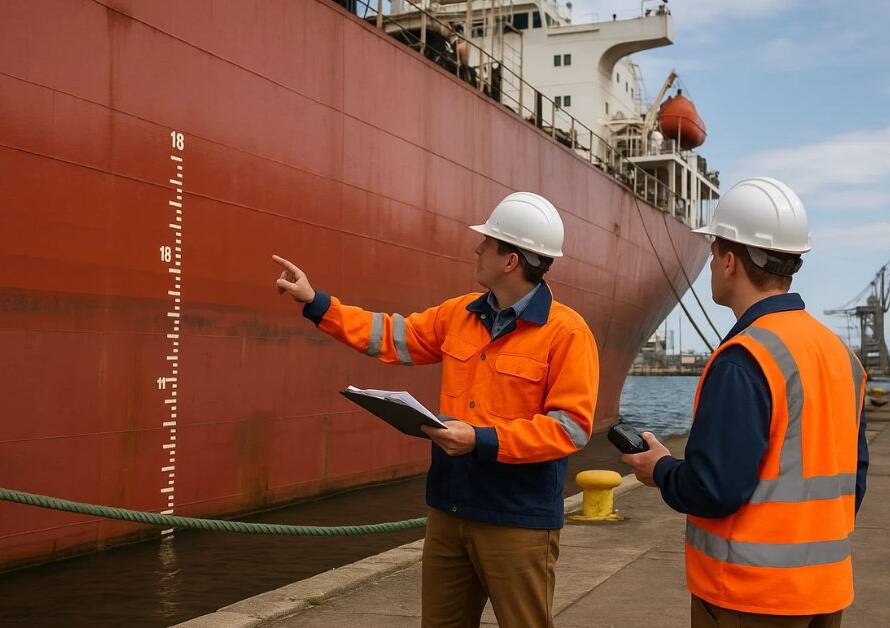
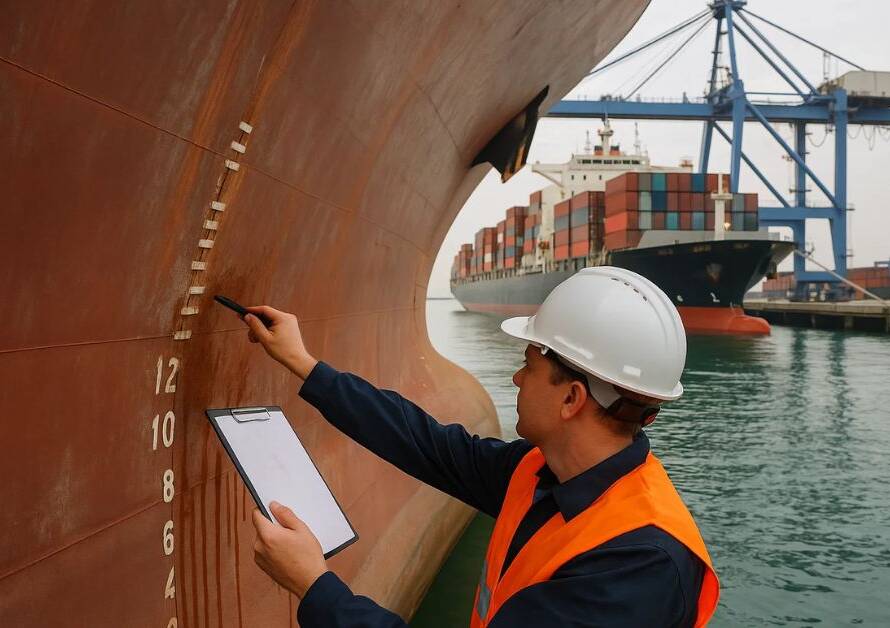
During dry docking, vessels undergo comprehensive inspections that are impossible to conduct while afloat. The hull, propellers, rudders, and other underwater parts are carefully examined for damage, corrosion, and wear. This allows shipowners and operators to identify potential issues before they escalate into serious problems.
Professional dry docking support ensures that all inspections comply with international safety regulations and classification society requirements. Detecting and addressing defects early helps prevent catastrophic failures, thereby enhancing vessel safety and longevity.
2. Hull Cleaning and Anti-Fouling
One of the most important safety-related tasks during dry docking is hull cleaning and the application of anti-fouling coatings. Marine organisms like barnacles and algae tend to accumulate on the ship’s hull, increasing drag and reducing fuel efficiency. More importantly, these growths can damage the hull over time, compromising structural integrity.
By thoroughly cleaning the hull and applying specialized anti-fouling paint, dry docking support helps maintain the vessel’s structural soundness. A clean and well-maintained hull not only improves performance but also reduces the risk of hull breaches or cracks that could lead to water ingress or accidents.
3. Repair and Replacement of Critical Components
Dry docking is the ideal time to repair or replace essential components such as propellers, thrusters, sea valves, and anodes. These parts are vital for the safe maneuvering and operation of the vessel. Damaged or worn-out components can result in mechanical failures, loss of steering, or propulsion issues, jeopardizing the safety of the ship and crew.
Reliable dry docking support ensures that all repairs and replacements are performed with precision and according to manufacturer and regulatory standards. This attention to detail significantly reduces the likelihood of mechanical breakdowns while the vessel is at sea.
4. Inspection and Maintenance of Safety Equipment
Beyond structural and mechanical checks, dry docking support includes the inspection and maintenance of the vessel’s safety equipment. Lifeboats, firefighting systems, emergency power supplies, and navigation aids are tested and serviced to guarantee they function correctly during emergencies.
Maintaining safety equipment during dry docking helps prevent failures that could endanger lives during critical situations. Professional support ensures that all equipment meets international safety standards such as SOLAS (Safety of Life at Sea).
5. Compliance with Regulatory Standards
The maritime industry is governed by strict international and local regulations to ensure vessel safety and environmental protection. Dry docking is often mandatory under the rules set by classification societies and maritime authorities. These regulations dictate the frequency, scope, and procedures of dry docking.
Expert dry docking support helps shipowners navigate these regulations, ensuring that their vessels meet or exceed all safety and environmental compliance requirements. Non-compliance can lead to detentions, fines, or loss of insurance coverage, all of which pose operational and financial risks.
6. Enhanced Environmental Protection
Vessel safety is closely linked to environmental protection. Dry docking allows for inspection and repair of systems that prevent pollution, such as ballast water treatment units, sewage systems, and fuel containment. Regular maintenance during dry docking minimizes the risk of leaks, spills, and other environmental hazards.
Dubai, being a major maritime hub, emphasizes environmental compliance. Dry docking support ensures vessels operate safely while adhering to stringent environmental regulations, safeguarding marine ecosystems.
In Conclusion
Dry docking support plays an indispensable role in ensuring vessel safety by enabling thorough inspections, critical repairs, equipment maintenance, regulatory compliance, and environmental protection. These activities collectively reduce the risks of mechanical failures, accidents, and environmental damage, ultimately safeguarding lives and cargo.
For shipowners and operators seeking reliable and professional dry docking support in Dubai, Prominence Shipping Services LLC offers comprehensive and expert services. With a strong commitment to quality, safety, & customer satisfaction, Prominence Shipping Services LLC stands as a trusted partner in maintaining your vessel’s safety and operational excellence.