Ship-to-Ship Transfer
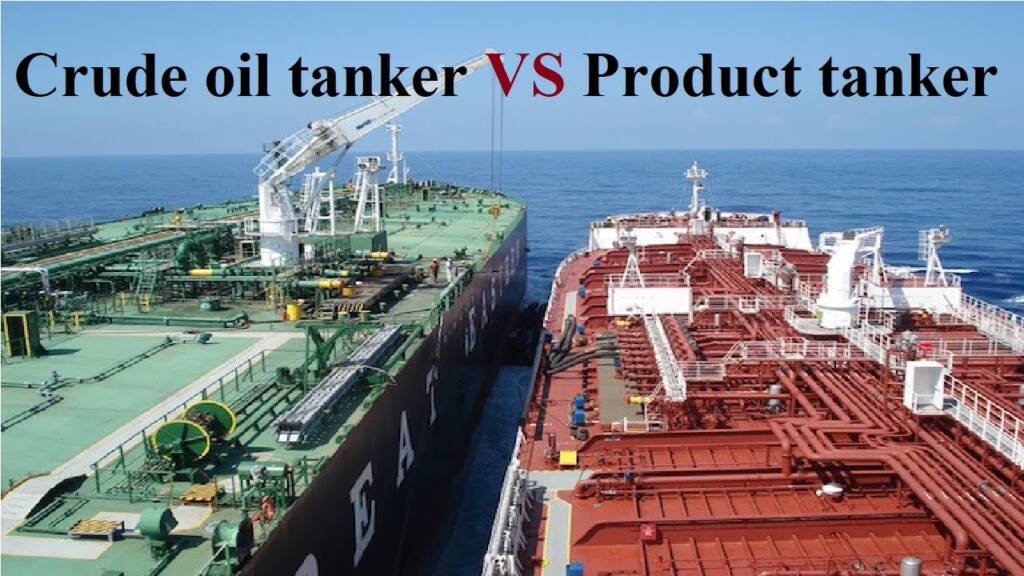
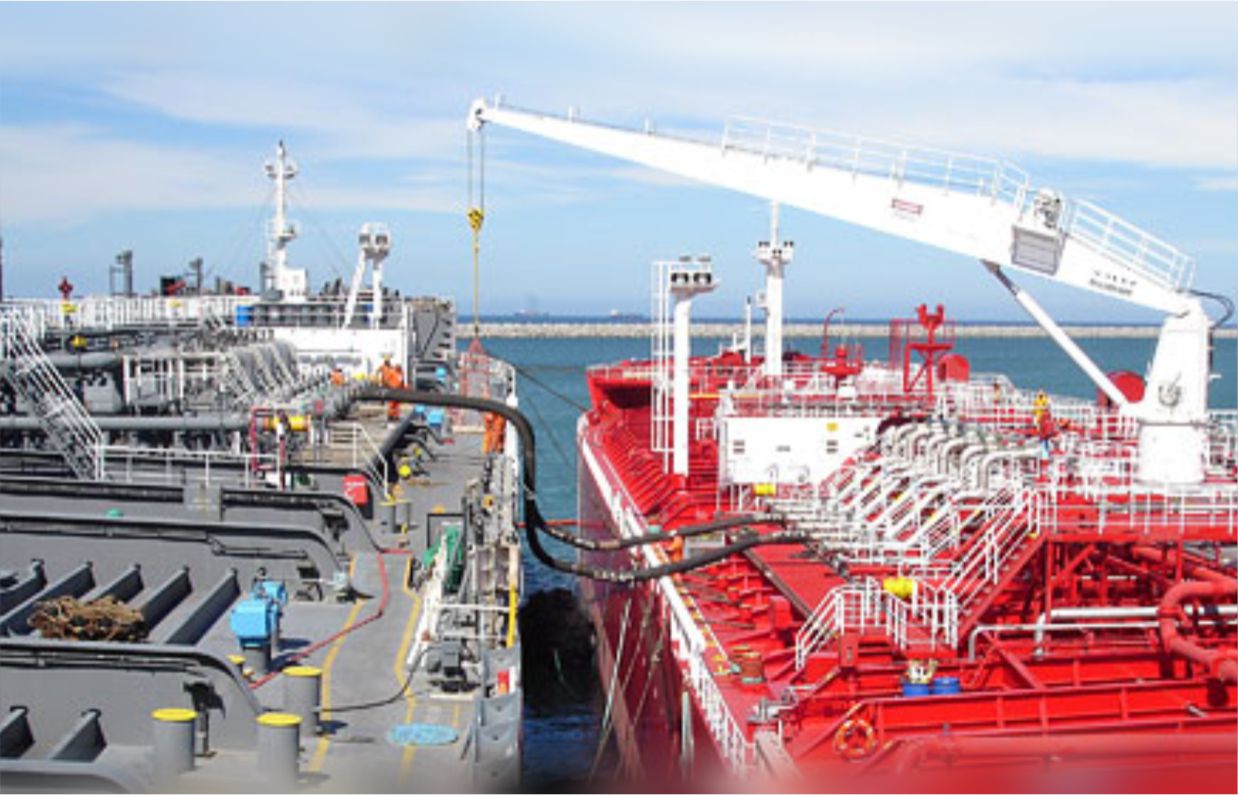
Ship-to-Ship (STS) transfer refers to the operation of transferring cargo, typically liquid bulk such as crude oil, liquefied natural gas (LNG), or refined petroleum products, between two ships positioned alongside each other. This process is conducted at sea, near ports, or designated offshore areas, and is critical for efficient logistics in the maritime and oil and gas industries.
Key Features of Ship-to-Ship Transfers
Efficient Cargo
Handling
STS transfers are often used to consolidate cargo from smaller vessels to larger ones for economical transportation or vice versa.
Cost
Optimization
By enabling flexible cargo routing, STS transfers can reduce transportation costs and save time in logistics operations.
Environmental Compliance
Modern STS operations adhere to strict environmental regulations, ensuring minimal risks of spills or leaks.
Expertise and
Safety
Conducting an STS transfer requires skilled operators, advanced equipment, and adherence to international safety protocols to avoid accidents.
Typical Cargo for STS Transfers
- Crude Oil and Refined Products
- LNG and LPG
- Chemicals
- Dry Bulk (though less common)
Crude Oil: Often transferred between tankers for further transportation or to refineries.
Liquefied Natural Gas (LNG): Transferred between specialized vessels due to high demand in energy industries.
Chemicals: Various bulk chemicals, including industrial chemicals or liquid petrochemicals.
Petroleum Products: Refined products like diesel, gasoline, or jet fuel are commonly transferred in STS operations.
Bulk Liquids: Non-petroleum bulk liquids such as vegetable oils, molasses, or other liquid commodities.
Bulk Commodities: Such as dry bulk cargo in certain operations, though rare, where loading/unloading involves transfer between vessels.

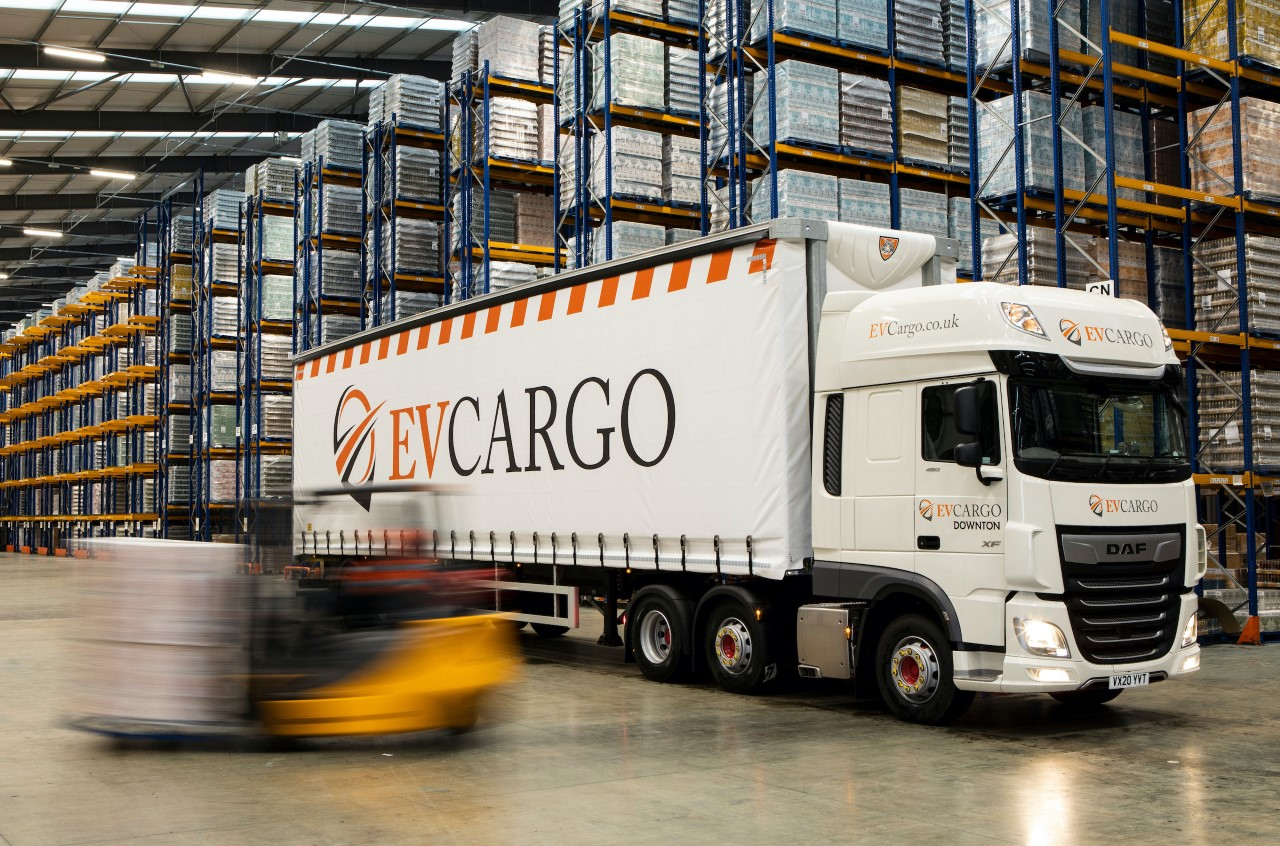
Deep-Sea Operations
To avoid port congestion or when ports are not accessible for larger vessels.
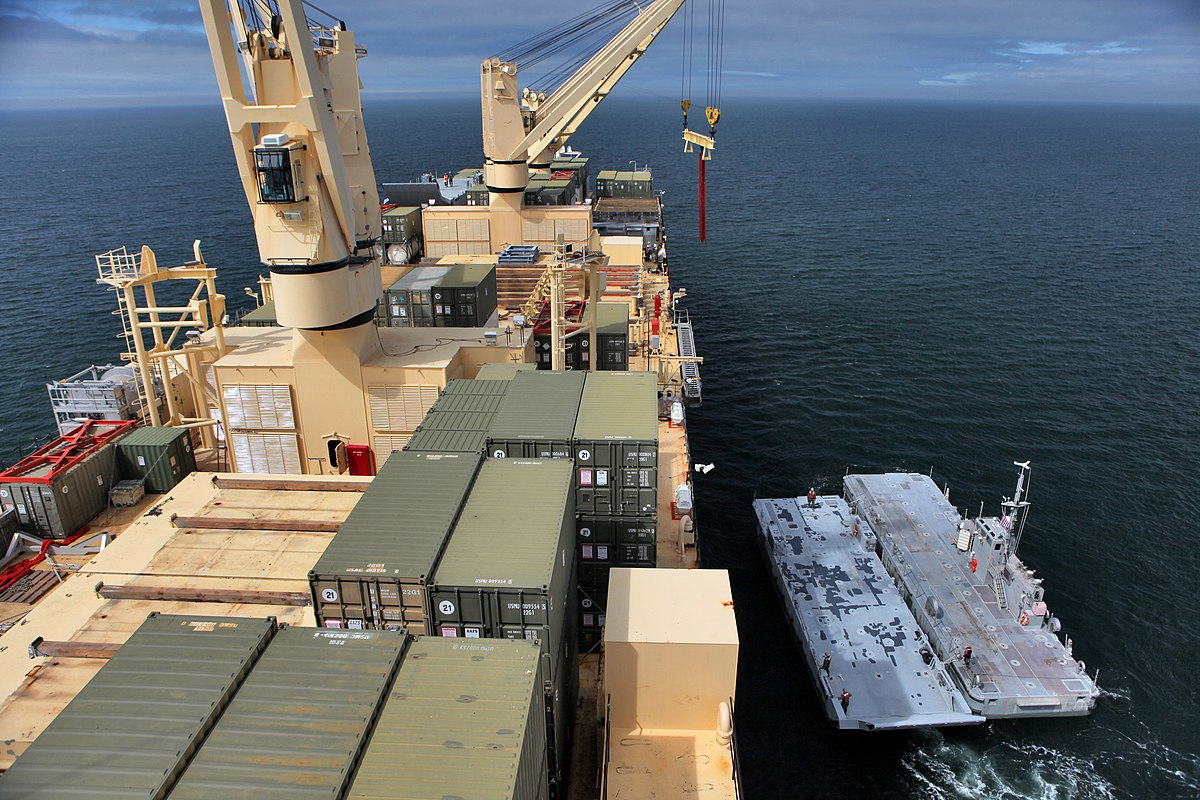
Cargo Redistribution
For vessels with partial loads or those serving specific regional markets.
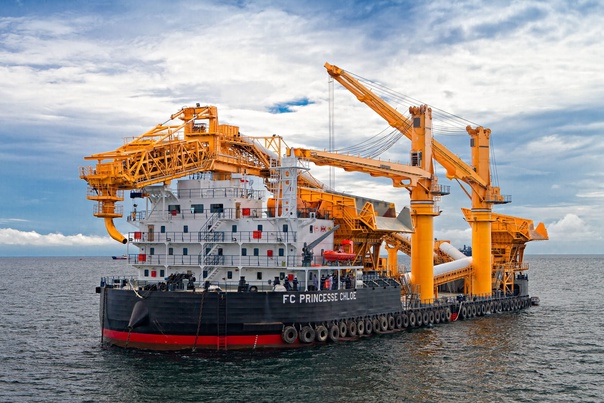
Emergency Operations
For fuel resupply or cargo redistribution in case of breakdowns or unforeseen events.
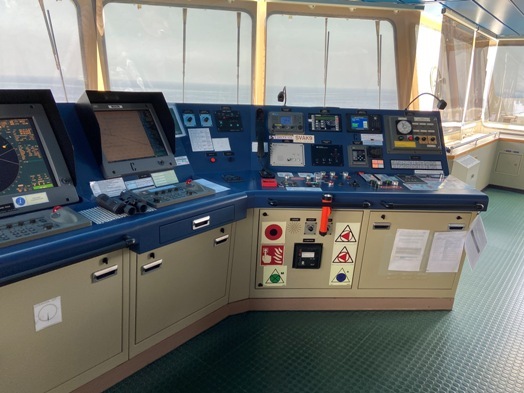
Safety and Regulatory
MARPOL Annex I for pollution prevention. OCIMF (Oil Companies International Marine Forum) guidelines for safe STS operations.
Get in Touch
Partner with us for seamless, reliable, and efficient ship spare logistics. Contact us today to discuss your specific requirements and learn more about our tailored solutions.