Maintaining the safety, efficiency, and compliance of vessels is critical for every shipping operation. One of the most effective ways to achieve this is through ship surveys and inspections. These processes involve a detailed assessment of a vessel’s structural integrity, mechanical systems, & regulatory compliance. By identifying potential issues early, shipowners & operators can ensure smoother operations, reduce risks, and avoid costly disruptions.

1. Ensuring Vessel Safety
The great advantage of surveys and inspections is safety. Although such vessels are subjected to severe marine environments, they are subject to corrosion, structural weakness, or mechanical failure. By inspecting regularly, surveyors can identify potential problems before they escalate into larger issues. By preventing small-scale failures upfront, you can avoid accidents, injuries, and larger operational disasters. This preventive strategy secures both your staff and cargo, causing no harm to the vessel’s operation.
2. Regulatory Compliance
Shipping is regulated by local and international laws that relate to safety standards, environmental concerns, & classification society regulations. Surveys and inspections are how we ensure that vessels meet those standards. Surveyors guarantee that safety equipment, navigation systems, and emergency protocols are current and functioning properly. There is, however, far more to compliance than simply ensuring that you successfully avoid the dreaded fines or a port detention, as increasing credibility and dependability in the maritime industry can also bring significant value.
3. Early Diagnosis of Structural and Mechanical Problems
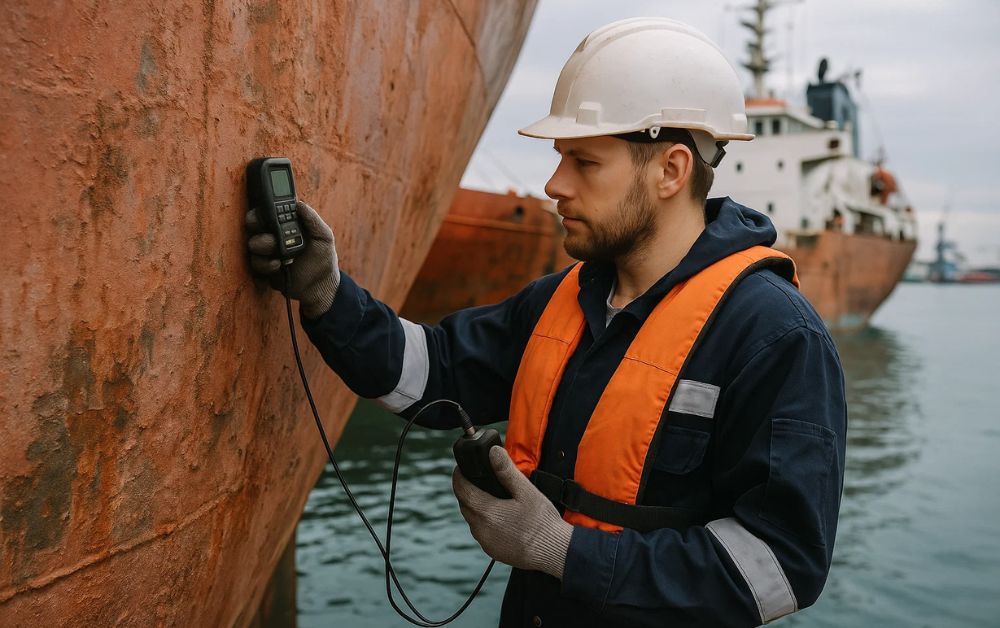
Boats are the victims of constant use – from hulls and propellers to engines and other machinery, your boat is being put to work. Inspections enable the early identification of shortcomings, such as cracks, corrosion, leaks, or faulty parts. This is where a shipowner can predict failures before they become catastrophic failures and schedule maintenance promptly. This results in less time in dry dock, fewer expensive emergency repairs, and a ship that doesn’t have to be removed from service for the lifetime of the vessel.
4. Cost Optimization
Inspections and surveys cost money, but they save in the end. In doing so, vessels prevent costly overhauls or replacements that can result from negligence. Furthermore, properly managed vessels function with higher efficiency and lower fuel consumption, resulting in decreased operating expenses. Accurate records from inspections also help protect insurance claims and enable shipowners to negotiate tougher terms with insurers, providing another tool in the overall cost management arsenal.
5. Enhancing Operational Efficiency
A well-maintained ship that undergoes regular surveys and inspections will be better equipped to handle operations. Surveyors submit extensive reports that identify maintenance, improvements, or simple monitoring needs. Crew and maintenance personnel use this data to stay focused on key tasks, manage workload, and prevent unnecessary delays. A well-planned maintenance schedule, derived from inspection results, can minimize the time spent in port and reduce costs associated with maintaining schedules, ultimately increasing operational effectiveness.
6. Protecting Crew and Cargo
The crew’s safety hinges on the shape of the ship. Crew members can be put in danger by malfunctioning equipment and undetected structural issues. Likewise, cargo may become damaged if the boat encounters mechanical malfunctions or suffers a hull breach. Through thorough examinations, potential dangers are identified and addressed, safeguarding the crew and cargo. A safe ship also produces a good working environment and promotes the reputation of the shipowner.
7. Supporting Long-Term Vessel Longevity
If part of the ongoing health check of a vessel. By focusing ahead of time on mechanical, structural, and regulatory requirements that impact long-term reliability and performance. This increases the operating life of the ship, thereby boosting shipowners’ investment. The strategic PM, based on survey results, enables you to maintain the same performance level and prevent unexpected failures.
8. Supporting Environmental Compliance
We also have stringent regulations for the release of gases, ballast water, and wastes in current shipping operations. There are surveys and inspections to make certain ships meet these environmental standards. Inspections help prevent violations that may result in fines, port detentions, or a tarnished reputation by identifying potential concerns with pollution control systems or emission equipment. Maintaining environmental compliance is crucial for promoting sustainable shipping practices, which is key to the way shipowners operate ships in today’s global industry.
In Conclusion
Ship surveys and inspections offer multiple advantages, including ensuring safety and compliance, as well as optimizing costs and operational efficiency. Early detection of structural and mechanical issues, combined with thorough regulatory checks, protects both crew and cargo while extending the vessel’s service life. For shipping companies seeking reliable and professional services, Prominence Shipping Services LLC offers comprehensive solutions that cover all aspects of surveys and inspections, ensuring vessels operate safely and efficiently.