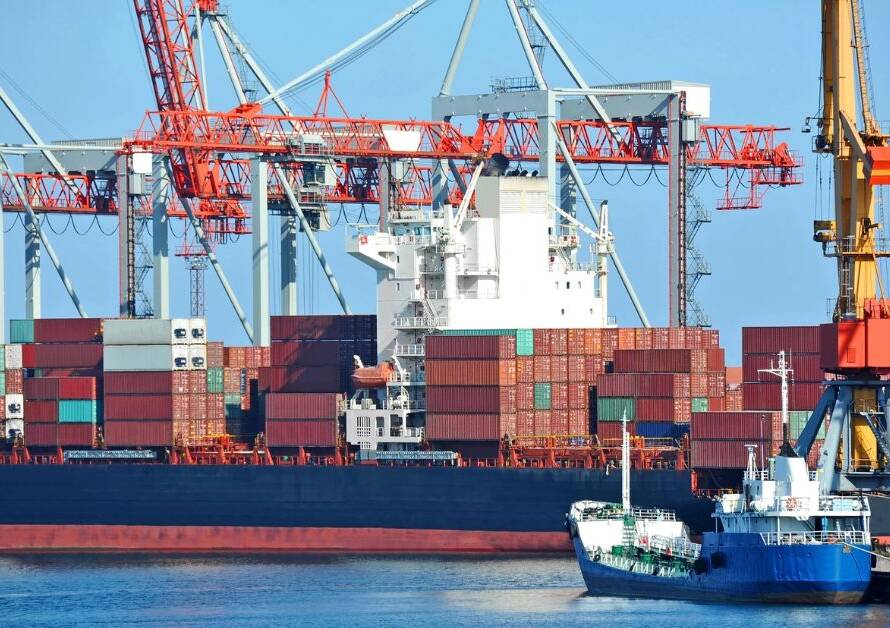
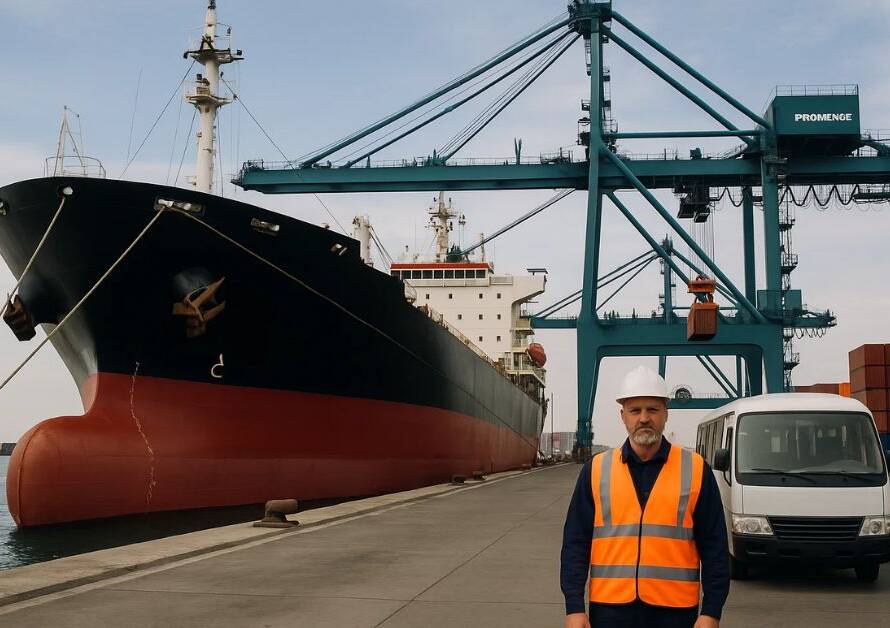
In the complex world of maritime logistics, efficacy and coordination are crucial. Ships arriving at ports need a wide range of support services to ensure safe berthing, fast turnaround, and crew welfare. These essential services, often carried out discreetly behind the scenes, fall under what is known as husbandry services. Managed by port agencies, husbandry services play a critical role in maintaining operational flow and supporting the vessel’s requirements while docked.
For shipowners, operators, and charterers, selecting a reliable provider for husbandry services in port agency operations is a strategic necessity. Let’s explore the core responsibilities these services cover and why they are indispensable to global shipping.
1.Crew Handling and Welfare Management
The Challenge:
Crew changes, shore leave, and medical emergencies require efficient coordination between the vessel, port authorities, and service providers.
The Responsibility:
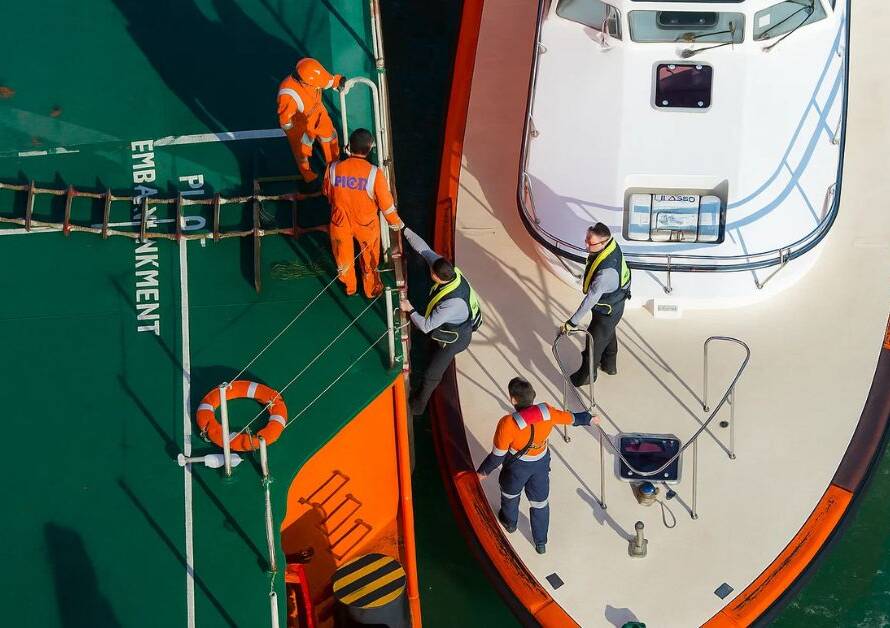
One of the primary tasks of husbandry services is managing crew logistics. This includes arranging visas, coordinating airport transfers, facilitating embarkation and disembarkation, and ensuring medical care when needed. Welfare support, such as delivering personal items or connecting crews with shore-based services, also falls within this scope.
By ensuring timely crew rotations and addressing welfare concerns, port agencies help maintain the morale and performance of seafarers, which directly impacts vessel operations.
2.Bunkering and Provisions Supply
The Challenge:
A vessel’s smooth operation depends on timely refueling and restocking of essential goods.
The Responsibility:
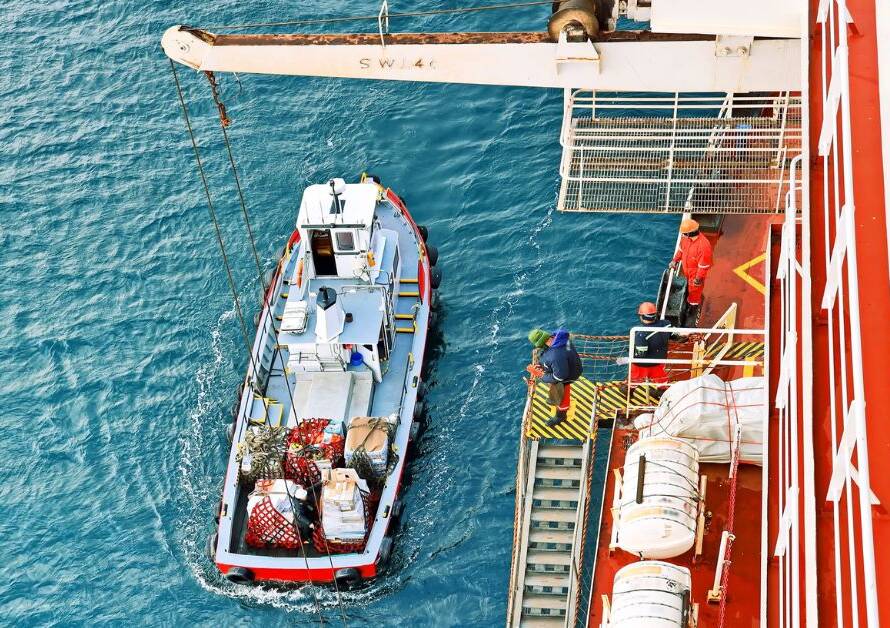
Husbandry services coordinate bunkering activities (fuel delivery) and ensure the vessel receives fresh water, food supplies, spare parts, and other consumables. Timing and accuracy are critical here, as any delay could disrupt the vessel’s schedule or compromise safety.
Reliable husbandry agents track every delivery, ensure compliance with port regulations, and verify that all supplies meet the required standards.
3.Cash to Master (CTM) Delivery
The Challenge:
Vessel masters often require cash onboard to handle small-scale operational needs or emergencies.
The Responsibility:
Port agencies arrange safe and secure delivery of Cash to Master (CTM), ensuring proper documentation and handover procedures. This service allows vessel captains to pay for unforeseen expenses, local services, or crew advances while in port.
Security, accountability, and coordination with financial institutions are key components of this husbandry function.
4.Customs and Immigration Coordination
The Challenge:
Navigating the documentation and legal procedures for ship clearance, crew, and cargo can be time-consuming and complex.
The Responsibility:
Husbandry agents liaise with local customs, immigration, and port authorities to manage paperwork, clearances, permits, and declarations. They ensure the vessel complies with international and local maritime laws, preventing fines or delays.
Efficient handling of documentation is critical to a ship’s turnaround time and ensures smooth operations for both incoming and outgoing vessels.
5.Waste Disposal and Environmental Compliance
The Challenge:
Marine vessels generate various waste streams that must be handled in accordance with local and international regulations.
The Responsibility:
Port husbandry services organize the safe disposal of garbage, bilge water, sludge, and other waste. They work with licensed waste management providers to ensure the vessel is not only cleaned and maintained but also remains in compliance with MARPOL and other environmental standards.
This is especially important in environmentally sensitive regions like the Gulf, where improper waste handling can lead to hefty fines and reputational damage.
6.Repairs, Maintenance, and Technical Support
The Challenge:
Minor technical issues or urgent repairs can arise unexpectedly while the vessel is in port.
The Responsibility:
A port agency offering husbandry services will coordinate with local technicians and service providers to ensure that repairs or maintenance tasks are completed promptly. This may include underwater inspections, hull cleaning, mechanical fixes, or replacing critical parts.
Having a reliable husbandry agent on-site ensures these issues are dealt with efficiently, minimizing downtime and ensuring compliance with safety standards.
7.Liaison with Port Authorities and Stakeholders
The Challenge:
Maritime operations involve multiple stakeholders, including port officials, terminal operators, inspectors, and logistic companies.
The Responsibility:
Husbandry services act as the primary liaison between the ship and these stakeholders. The agent ensures that communication is clear, expectations are aligned, and all necessary arrangements—such as berthing, towing, or pilotage—are made on time.
This coordination helps to streamline port stays and enhances overall efficiency.
8.Emergency Response and Contingency Handling
The Challenge:
Emergencies such as medical evacuations, equipment failures, or weather disruptions require swift action.
The Responsibility:
Husbandry service providers are trained to respond quickly and effectively. They activate contingency plans, arrange emergency services, and work closely with relevant authorities to manage the crisis.
The ability to handle emergencies can be the difference between a minor disruption and a major operational setback.
In Conclusion
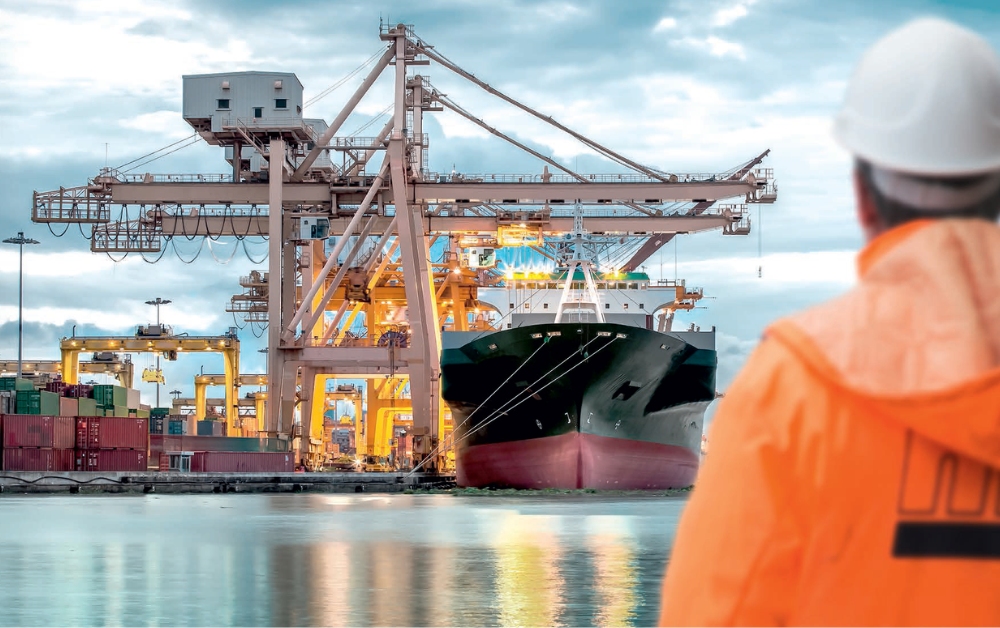
Husbandry services are the backbone of any well-functioning port operation. From managing crew logistics and supplies to ensuring compliance and handling emergencies, these services ensure that vessels can operate safely, efficiently, and on schedule. As global shipping grows more complex, the need for reliable, professional husbandry services in port agency operations becomes even more critical.
For dependable and comprehensive husbandry services in the UAE, Prominence Shipping Services LLC delivers seamless port support tailored to every vessel’s unique needs.