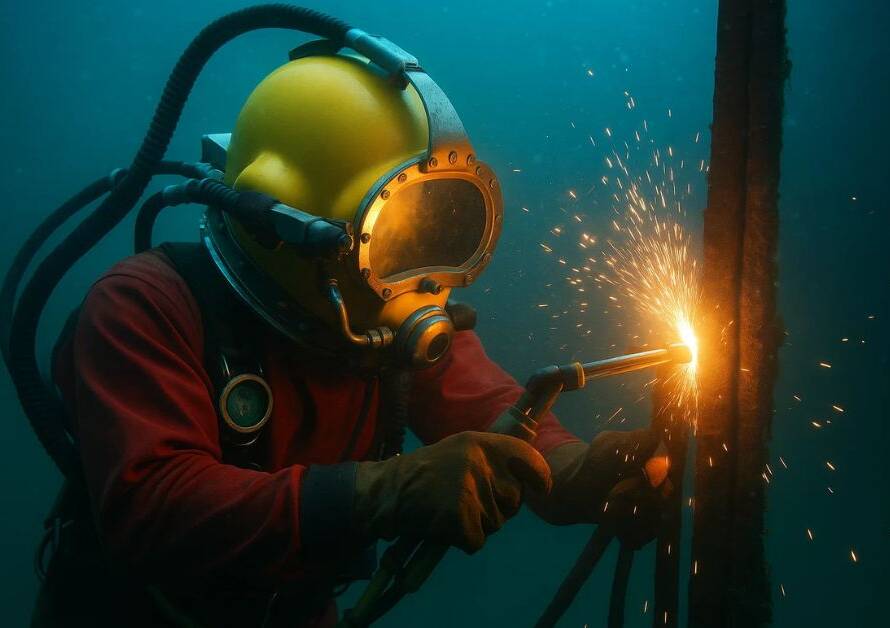
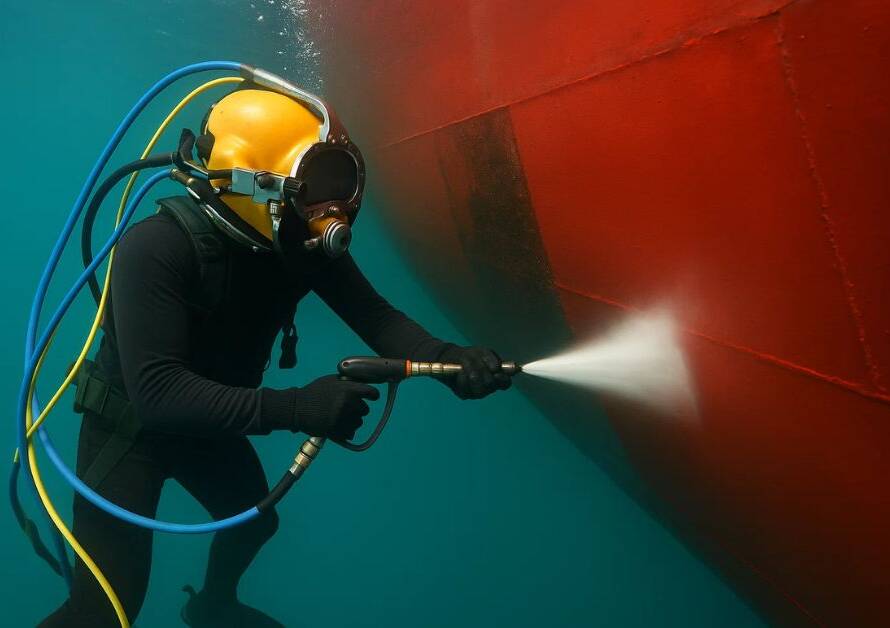
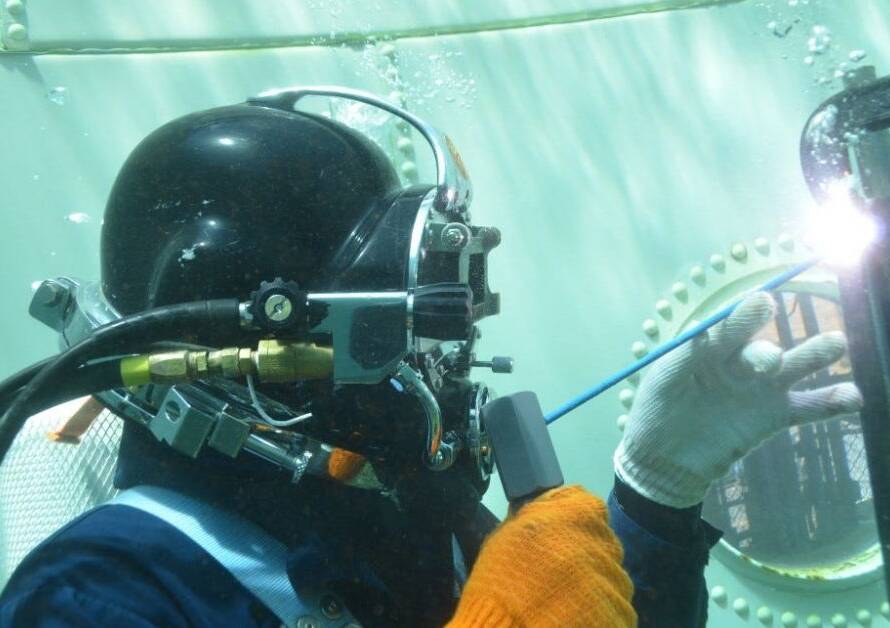
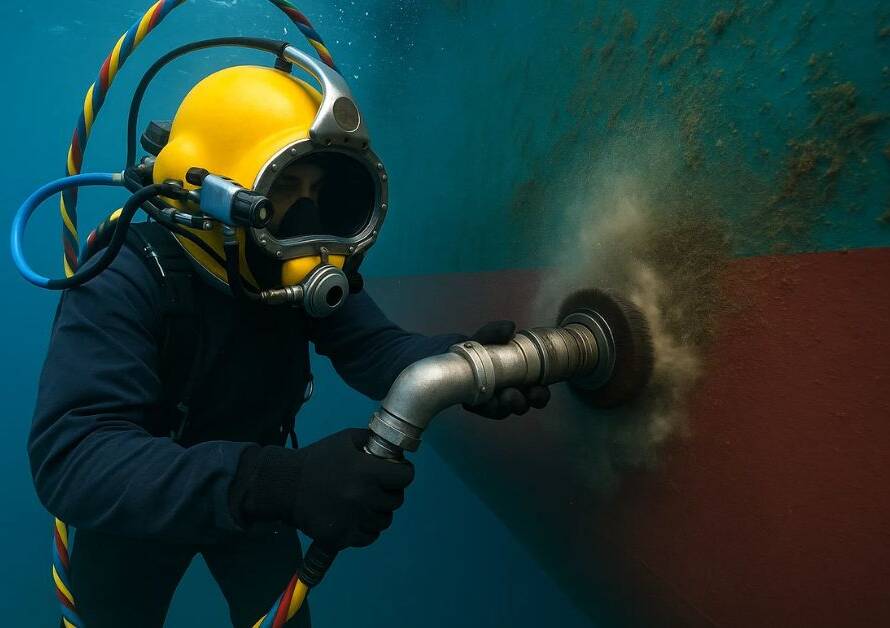
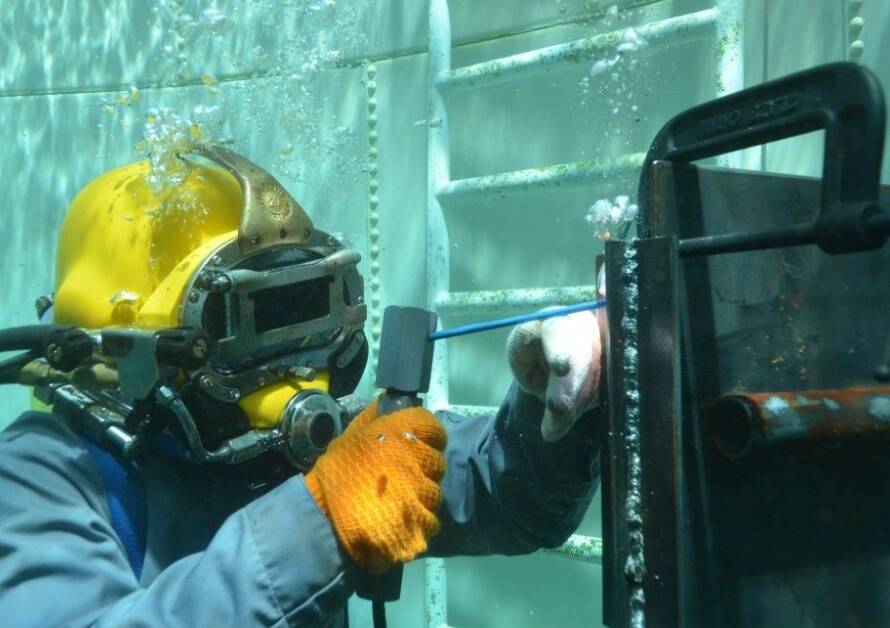
Hull cleaning is an essential maintenance process for ships and vessels to ensure optimal performance, fuel efficiency, and safety. It involves removing biofouling organisms such as barnacles, algae, and other marine growths from the underwater surfaces of a vessel’s hull. In the UAE, where maritime trade is a significant part of the economy, hull cleaning in UAE is a common and necessary practice.
However, while hull cleaning is beneficial for vessels, it also has environmental implications. This blog explores the impact of hull cleaning on marine ecosystems, highlighting both the benefits and potential environmental concerns. Understanding these effects is vital for promoting sustainable maritime practices in the UAE and beyond.

1. Positive Impact: Preventing Invasive Species Spread
One of the most critical environmental benefits of hull cleaning is preventing the spread of invasive species. Ships traveling between different ports can unintentionally carry marine organisms attached to their hulls. When these organisms are introduced to new environments, they can disrupt local ecosystems by outcompeting native species.
Regular hull cleaning waters helps remove these hitchhiking organisms before they can establish themselves. This preventive measure protects the biodiversity of marine habitats around the UAE, such as the Arabian Gulf, which is home to many unique species.
2. Improved Vessel Efficiency Reduces Environmental Footprint
A clean hull improves vessel efficiency by reducing drag and resistance in the water. This results in lower fuel consumption and, consequently, reduced greenhouse gas emissions. Given the volume of shipping traffic in UAE ports, effective hull cleaning contributes indirectly to lowering the maritime industry’s carbon footprint.
Therefore, routine hull cleaning not only benefits shipowners by cutting operational costs but also supports environmental sustainability by minimizing air pollution and fuel waste.
3. Potential Environmental Concerns: Release of Toxic Substances
Despite its benefits, hull cleaning can pose environmental risks if not managed properly. Some vessels use antifouling paints containing toxic substances such as copper and other biocides to prevent marine growth. During hull cleaning, these toxic substances may be released into the water, contaminating the marine environment.
In UAE waters, where fragile coral reefs and diverse marine life exist, the release of harmful chemicals can damage ecosystems and affect aquatic organisms. It is essential that hull cleaning operations follow environmentally responsible procedures to minimize this impact.
4. Physical Disturbance to Marine Life
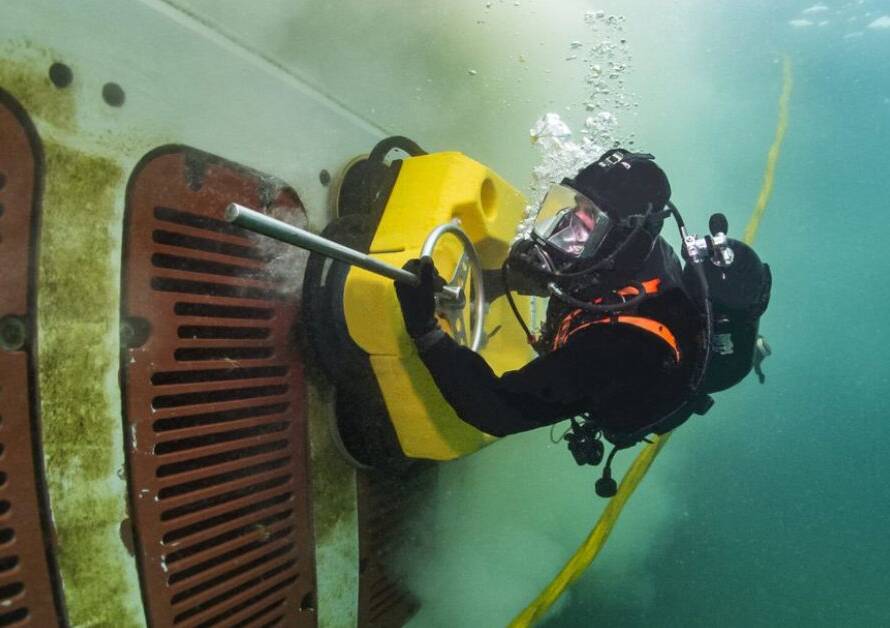
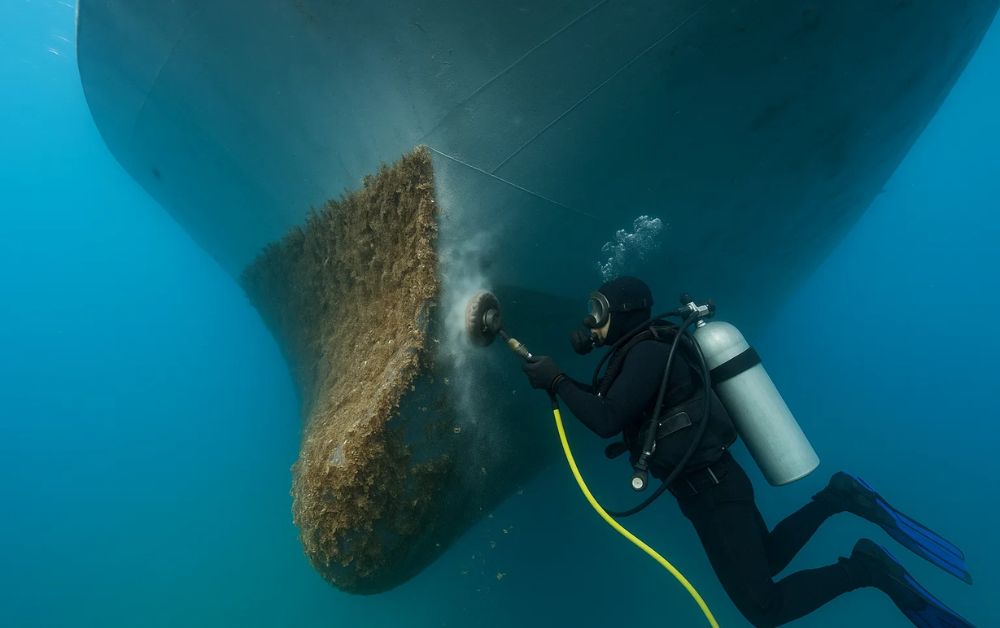
Hull cleaning involves mechanical or hydraulic methods to scrape off marine growth, which can physically disturb marine habitats. Sediments stirred up during cleaning can reduce water quality and affect filter-feeding species like corals and mollusks.
In sensitive areas around the UAE, such as marine protected zones, unregulated hull cleaning activities could degrade habitats, harming species that rely on clear, stable water conditions.
5. Risk of Biofouling Waste Disposal
The waste generated from hull cleaning—consisting of scraped-off organisms and paint residues—must be carefully handled. Improper disposal of this biofouling waste back into the sea can introduce non-native species or toxic compounds, further threatening local marine ecosystems.
Best practices for hull cleaning include collecting and disposing of biofouling waste at designated facilities onshore to prevent environmental contamination.
6. Regulatory Framework and Best Practices
Recognizing the environmental impact, UAE maritime authorities and port operators have established guidelines and regulations to govern hull cleaning activities. These regulations aim to ensure that cleaning is performed safely, minimizing pollution and habitat disruption.
Modern hull cleaning services in the UAE increasingly use eco-friendly technologies such as underwater robotic cleaners and non-toxic antifouling coatings. These innovations reduce the ecological footprint of hull cleaning while maintaining vessel performance.
7. How to Minimize the Environmental Impact of Hull Cleaning
- Choose Eco-Friendly Coatings: Vessels can use non-toxic antifouling paints that reduce harmful chemical release during cleaning.
- Use Advanced Cleaning Technologies: Robotic and ultrasonic cleaning methods offer precise, less invasive options.
- Proper Waste Management: Ensuring that biofouling waste is collected and treated onshore prevents environmental contamination.
- Regular Maintenance: Frequent hull cleaning prevents heavy biofouling buildup, reducing the need for aggressive cleaning methods.
- Compliance with Regulations: Adhering to UAE maritime environmental standards protects sensitive marine habitats.
In Conclusion
Hull cleaning is indispensable for maintaining vessel efficiency, preventing the spread of invasive species, & supporting sustainable shipping operations. In the UAE, where marine ecosystems are both economically and ecologically vital, responsible hull cleaning practices are essential to protect the Arabian Gulf’s biodiversity. Adopting eco-friendly technologies, following regulatory guidelines, and ensuring proper waste disposal are key to minimizing the environmental impact.
For reliable and environmentally responsible hull cleaning in UAE, Prominence Shipping Services LLC offers expert solutions that balance operational excellence with marine ecosystem protection.