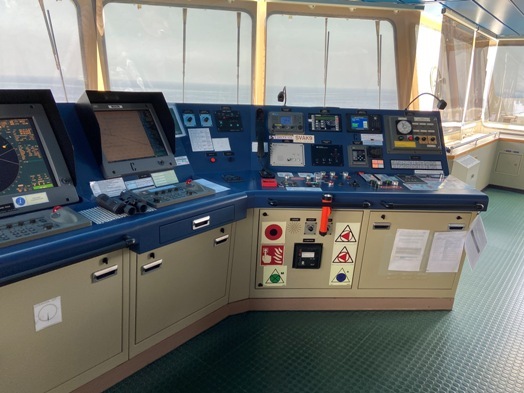
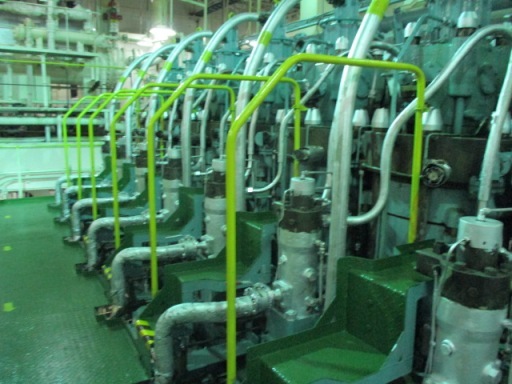
Shipping operations involve numerous complex activities, from cargo handling and crew transfers to documentation and customs clearance. Behind these smooth operations are shipping agencies that manage everything on behalf of the ship owner or operator. One of their most critical responsibilities is ensuring safety at every level of operation. With increasing global regulations and port authority requirements, shipping agency services in dubai, UAE have adopted robust safety protocols to minimize risks, protect lives, and safeguard assets.
In this blog, we explore the essential safety protocols followed by shipping agencies and understand why they are vital in modern maritime logistics.
Why Safety Is a Core Concern in Shipping Agency Operations
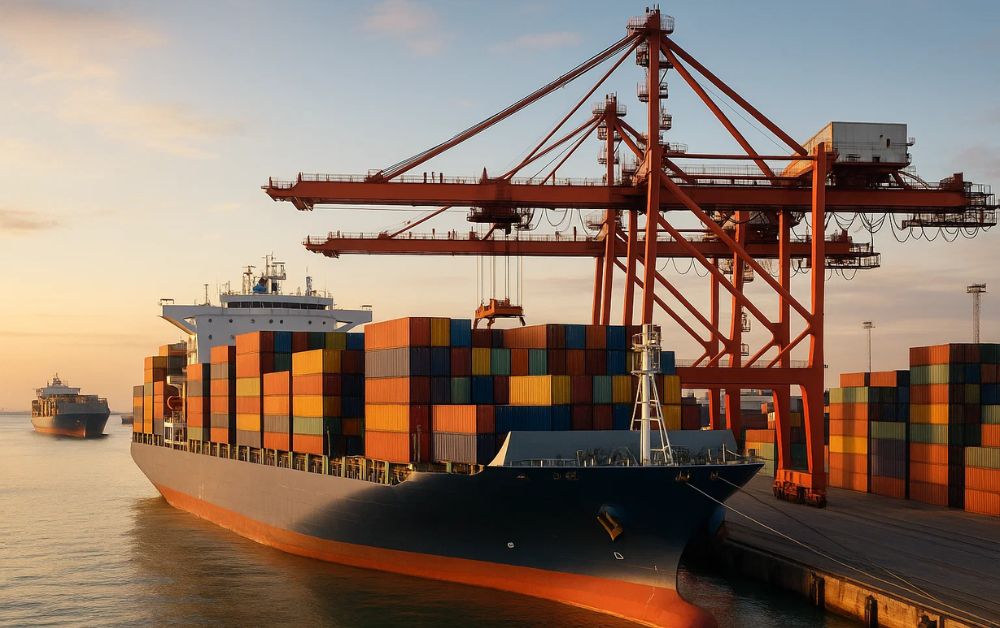
Safety in maritime logistics is not optional—it is mandatory. A single error in operations, be it during cargo transfer, bunkering, or crew handling, can lead to severe consequences including environmental disasters, operational delays, or legal penalties. Shipping agencies play a key role in ensuring that vessels and port activities comply with international safety regulations, local laws, and industry standards.
Key Safety Protocols Followed by Shipping Agencies
1. Strict Compliance with International Maritime Laws
Shipping agencies are well-versed in IMO (International Maritime Organization) regulations and ensure vessels meet safety and pollution prevention standards. This includes proper documentation, safety equipment checks, and operational practices that align with SOLAS (Safety of Life at Sea), MARPOL, and ISM Code requirements.
2. Crew Safety and Health Protocols
Ensuring the health & safety of the crew is a top priority. Agencies in the UAE facilitate:
- Pre-boarding health screenings
- COVID-19 testing and quarantine procedures
- Emergency medical assistance coordination
- Vaccination and insurance support
Additionally, proper immigration clearance and visa processing are handled with care to avoid legal and safety issues related to crew management.
3. Safe Bunkering and Fuel Management
Bunkering is a high-risk operation. Shipping agencies:
- Coordinate with certified bunkering providers
- Ensure fuel samples are taken and tested
- Monitor real-time fuel transfer
- Enforce anti-spill measures like oil spill booms and emergency shutoff systems
Agencies ensure compliance with port authority protocols and handle post-bunkering documentation to avoid discrepancies.
4. Emergency Response Preparedness
Top shipping agencies develop emergency response plans for situations such as:
- Fire outbreaks on board
- Oil spills or chemical leaks
- Medical emergencies
- Mechanical breakdowns
They work closely with port authorities, local emergency services, and shipping operators to ensure a fast and coordinated response.
5. Environmental Safety Measures
Modern shipping agencies follow strict procedures to protect marine environments:
- Supervised garbage and sludge disposal
- Use of oil-water separators
- Eco-friendly ship-to-shore operations
- Managing ballast water discharge as per UAE regulations
This ensures full alignment with MARPOL requirements and UAE’s environmental protection laws.
6. STS (Ship-to-Ship) Transfer Safety
STS operations are complex and require high-level coordination. Shipping agencies involved in STS transfers ensure:
- All equipment is certified and tested
- Fenders and hoses meet safety standards
- Communication is maintained between both vessels and shore control
- Weather and tide conditions are suitable
- Qualified Mooring Masters are present during the entire operation
7. Real-Time Communication and Monitoring
To ensure safe port calls and coordination, agencies use:
- VHF radios and satellite phones
- Vessel tracking systems (AIS)
- Instant alerts on ETA and ETD changes
- 24/7 operations teams monitoring vessel movements
Constant updates reduce risks of collision, miscommunication, and delays.
Importance of Training and Competency
Shipping agencies in the UAE invest heavily in training their staff. Regular drills, safety training, and awareness workshops are conducted to keep everybody updated on the latest industry practices and emergency protocols. Agents are trained in:
- Fire safety
- First aid and CPR
- Hazardous cargo handling
- Personal protective equipment (PPE) usage
This level of preparedness ensures not only compliance but also instills a safety-first mindset in daily operations.
In Conclusion
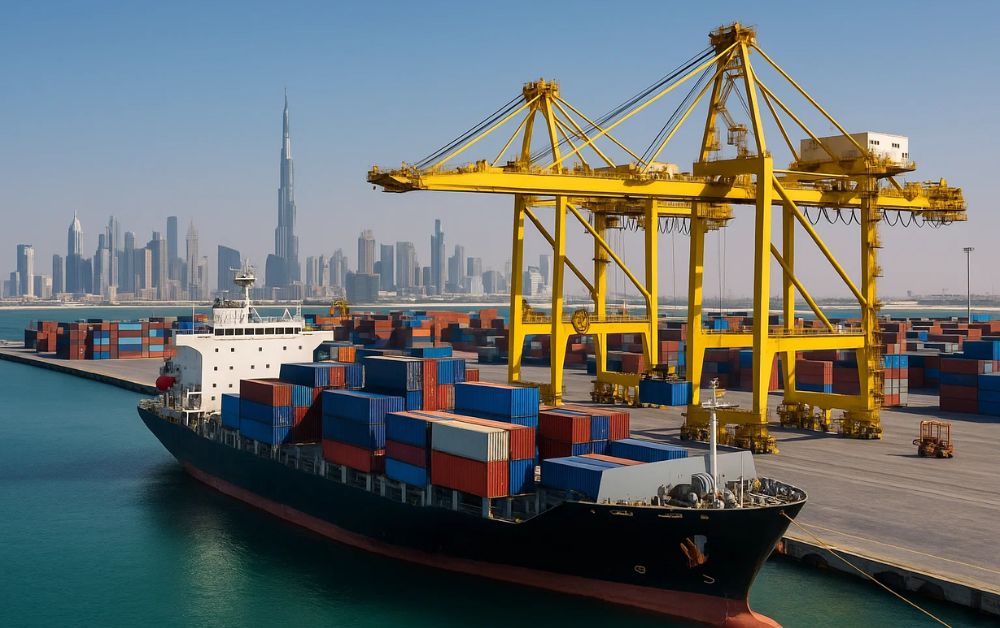
The safety protocols followed by shipping agencies are not just procedures—they are the backbone of successful maritime operations. In the UAE, where port activity is high and international standards are strictly enforced, agencies are expected to meet the highest levels of compliance, efficiency, and responsiveness. From crew handling and emergency management to environmental protection and technology integration, these agencies ensure safety remains paramount in every aspect of service delivery.
Prominence Shipping Services L.L.C. stands out as a trusted provider of shipping agency services in UAE, delivering top-tier safety and operational excellence across all maritime support functions.